Cardiovascular health for men isn’t just a medical issue, it’s the foundation of a strong, independent life. Your heart and blood vessels quietly get the job done every time you move, catch your breath, and focus on anything. When they’re working properly, you tend to feel like you’ve got some real energy and resilience going for you. But when they’re not – watch out – the effects can spread to your physical performance, emotional well-being and your long term health.
This article tries to explain cardiovascular health in men in a clear, evidence – based way that’s actually practical. No jargon or gimmicks here, just facts and common sense advice written in a way that’s easy to read. It brings together what we know from medicine, science and what works for real guys in the real world. We focus on proven strategies that actually work, not quick fixes, and on building habits that’ll help keep your heart strong for decades to come.
Getting Your Head Around Cardiovascular Health for Men
Cardiovascular health in men is all about how well your heart and blood vessels work together to keep you supplied with oxygen and nutrients. It’s a whole system that includes how your heart beats, blood pressure, cholesterol levels, blood sugar control, and how flexible your blood vessels are.
Men have their own unique heart health challenges. On average, men start getting heart disease a lot earlier than women. This is usually because of a combination of biological factors, the choices you make in life, and just not getting to the doctor when you should. Testosterone levels, how your body stores fat, and higher rates of smoking and high stress jobs all play a part in your risk.
Getting a handle on these factors is the first step in stopping heart disease in its tracks. The more you know the better, and knowledge is the key to turning heart health from some distant worry into a daily priority.
Why Cardiovascular Health Matters – At Every Age
Your cardiovascular health isn’t just something you worry about when you get older. The foundations are laid way earlier in life, and you might not even notice anything’s wrong at first. If you’re eating badly, sleeping poorly, or not getting enough exercise in your 20s and 30s, you might be silently starting to damage your arteries – long before you even notice any symptoms.
In midlife, you might start to notice a few signs – high blood pressure, getting tired easily or putting on weight around the middle. If you don’t get on top of things, all this can end up causing heart attacks, strokes or heart failure later on.
But the good news is that taking care of your heart at every stage of your life improves your odds of living a longer, healthier life, helps keep your brain sharp, gets you a better sex life and keeps you mobile. It also saves you a fortune on healthcare bills and helps you stay independent as you get older.
The Things That Get in the Way of a Healthy Heart for Men
There are a few things that can put your heart at risk – some of them you can control, others you’ve just got to keep an eye on.
The Lifestyle Choices You Make
- Sitting around all day
- Eating too much rubbish and processed food
- Smoking or drinking too much
- Stressed out and not sleeping well
The Things You Can’t Do Anything About
- High blood pressure
- Cholesterol levels that are way too high
- Blood sugar that’s out of control
- A family history of heart disease
Getting on top of these things early on is key to preventing heart disease, and it makes a massive difference to your long term chances of staying healthy.
Food – The Secret to a Strong Heart
What you eat every day has a huge impact on your heart health. It helps control inflammation, cholesterol and blood vessel function. So eating well is one of the most powerful tools you can use to keep your heart strong.
Heart Supporting Foods
Men looking to prioritise cardiovascular health tend to stick to some pretty clear dietary patterns rather than following super strict meal plans . These patterns typically include:
- Whole fruits and vegetables – they’re full of antioxidants and fibre that really help protect your arteries from damage
- Lean proteins – think fish, legumes and poultry – these types of food support muscle growth without piling on the saturated fat
- Healthy fats – you can’t go past olive oil, nuts, seeds and avocados – they really help to sort out your cholesterol levels
- Whole grains – Oats, brown rice and quinoa are all super good for keeping an eye on your blood sugar levels
Foods to Cut Back On
Reducing the amount of ultra-processed foods, sugary drinks and eating too much salt is one of the simplest steps men can take to improve their heart health. These types of foods are a major contributor to inflammation, high blood pressure and weight gain, after all.
It’s worth noting that you don’t need to be perfect with your nutrition choices – just being consistent is way more important than focusing on extreme diets. That’s especially true when you’re trying to sort out your heart health for the long haul.
Physical Activity and Cardiovascular Fitness
Getting regular exercise really is crucial for building a strong heart, improving circulation and just generally giving your body a bit of a boost. Cardiovascular fitness in men is intricately linked with endurance, recovery and just feeling generally on top of things.
Types of Exercise That Make a Real Difference
- Aerobic exercise – we’re talking walking briskly, cycling, swimming and jogging here – all of these are super good for getting your heart pumping
- Strength training – this really helps with glucose control, hormone balance and just generally keeping your joints in good nick
- Flexibility and mobility exercises – these are super good for preventing injuries and just making sure you can keep on moving
You don’t even need to do 150 minutes of moderate aerobic exercise a week to see some benefits – short daily sessions are way more achievable and still just as beneficial.
It’s also worth saying that when people talk about “cardiovascular fitness for me” it’s sometimes a bit unclear what they mean – are they talking about men’s fitness? Whatever the case, the principle remains the same: getting regular exercise is one of the best things you can do to protect your heart.
The Role of Body Weight and Metabolic Health
Carrying extra body fat around your midsection really is a major strain on the heart and a big contributor to inflammation. When it comes to men’s heart health, your waist circumference is often more important than your actual weight.
Getting your metabolic health sorted through a balanced diet, resistance training and regular exercise will really pay big dividends when it comes to regulating your blood sugar and cholesterol levels. Even small reductions in body fat can make a huge difference when it comes to your blood pressure and lipid profiles.
Men do best to focus on making gradual, long-term changes rather than trying to lose weight super quickly – that’s just going to be bad for your heart in the long run.
Stress, Mental Health and the Heart
The stress in men’s lives really does have a direct impact on their heart health. Chronic stress raises your cortisol levels, blood pressure and just generally makes you a bit more prone to unhealthy behaviours.
Men are often a bit less likely to talk about their stress, anxiety or burnout. But emotional resilience really is a crucial – but often overlooked – part of men’s heart health.
Stress Management Strategies That Work
- Mindfulness and breathing exercises
- Regular physical activity
- Getting a good sleep at night
- Doing stuff that gives you a sense of purpose
Reducing stress doesn’t get rid of your problems but it does make it easier to deal with them – and it’s great for your heart health.
Sleep Quality and Heart Recovery
Sleep is the time when the cardiovascular system gets to repair itself. Poor sleep quality messes up hormone regulation, sends blood pressure skyrocketing, and makes insulin resistance even worse.
For men to enjoy optimal cardiovascular health, most adults need to get 7 to 9 hours of quality sleep each and every night. Keeping a regular sleep schedule, avoiding screens before bed, and creating a calm sleep environment all help support heart recovery.
Sleep apnea is a problem that’s more common in men – and it deserves some extra attention. Left untreated, it can significantly increase the risk of heart disease and stroke.
Preventive Healthcare and Regular Screenings
Preventive care is a huge deal when it comes to preventing heart disease in men. Regular checkups can spot those sneaky risk factors before they become major issues.
Key Screenings to Keep an Eye On
- Blood pressure – because high blood pressure is a major risk factor
- Lipid profile (cholesterol levels) – to keep an eye on those numbers
- Fasting glucose or HbA1c – to make sure blood sugar levels are under control
- Body composition and waist circumference – because excess weight puts a lot of pressure on the heart
Men who get on top of their preventive healthcare tend to enjoy better cardiovascular health for the long haul. Early action often means they can avoid things getting to the point where more aggressive interventions are needed.
Alcohol, Smoking, and Cardiovascular Risk
Smoking – in short, it’s a massive risk factor for heart problems in men. It damages blood vessels, increases the chances of a blood clot, and accelerates the buildup of plaque.
And then there’s alcohol – which is socially accepted, but needs to be kept in check. Drinking too much can drive up blood pressure and triglyceride levels. Moderation is the key – or, in some cases, just avoiding it altogether.
Quitting smoking and cutting back on the booze are two of the most impactful things you can do for your heart health – and the benefits start to show up in as little as a few weeks.
Supplements and Heart Health : A Cautious View
Some men have a look at supplements to help support their heart health. While certain nutrients like omega-3s and magnesium might have some benefit, the key is to not replace actual lifestyle habits with supplements. Ever.
The gold standard for cardiovascular health in men is whole foods, exercise and medical guidance. Supplements are best used as supportive tools – with professional advice, of course.
Building Habits That Last
The strategies that really work for heart health in men are the ones that just fit into everyday life. Sustainable habits outdo any short-term challenges or super-restrictive plans.
Tips for Building Practical Habits
- Start off small – make one change at a time
- Anchor new habits to things you already do every day
- Track your progress – but don’t obsess over it
- Focus on making progress over the long haul
Over time, these good habits start to reinforce each other – making it easier to maintain a heart-healthy lifestyle without having to think about it all the time.
Social Support and Accountability
Men who put a priority on heart health often benefit from having a support network. Whether that’s family, friends, or a fitness group – accountability is key to sticking to good habits.
Shared meals, group walks, or joining a sports team can turn men’s heart health tips into enjoyable social activities – rather than chores.
Cardiovascular Health and Longevity
There’s a whole heap of research that shows men with strong heart health tend to live longer and have a better quality of life. They also tend to stay sharp mentally, keep their mobility up, and enjoy a greater sense of emotional well-being as they age.
Longevity isn’t just about adding years to your life – it’s about living a life that’s full of vitality and independence.
A Realistic View on Staying Ahead of Heart Disease for Men
Heart disease prevention for men isn’t about living in fear – it’s about taking real action, based on what we know. Most of the time , heart problems just sneak up on you , and can be a lot more preventable than you might think. The good news is your choices really can make all the difference.
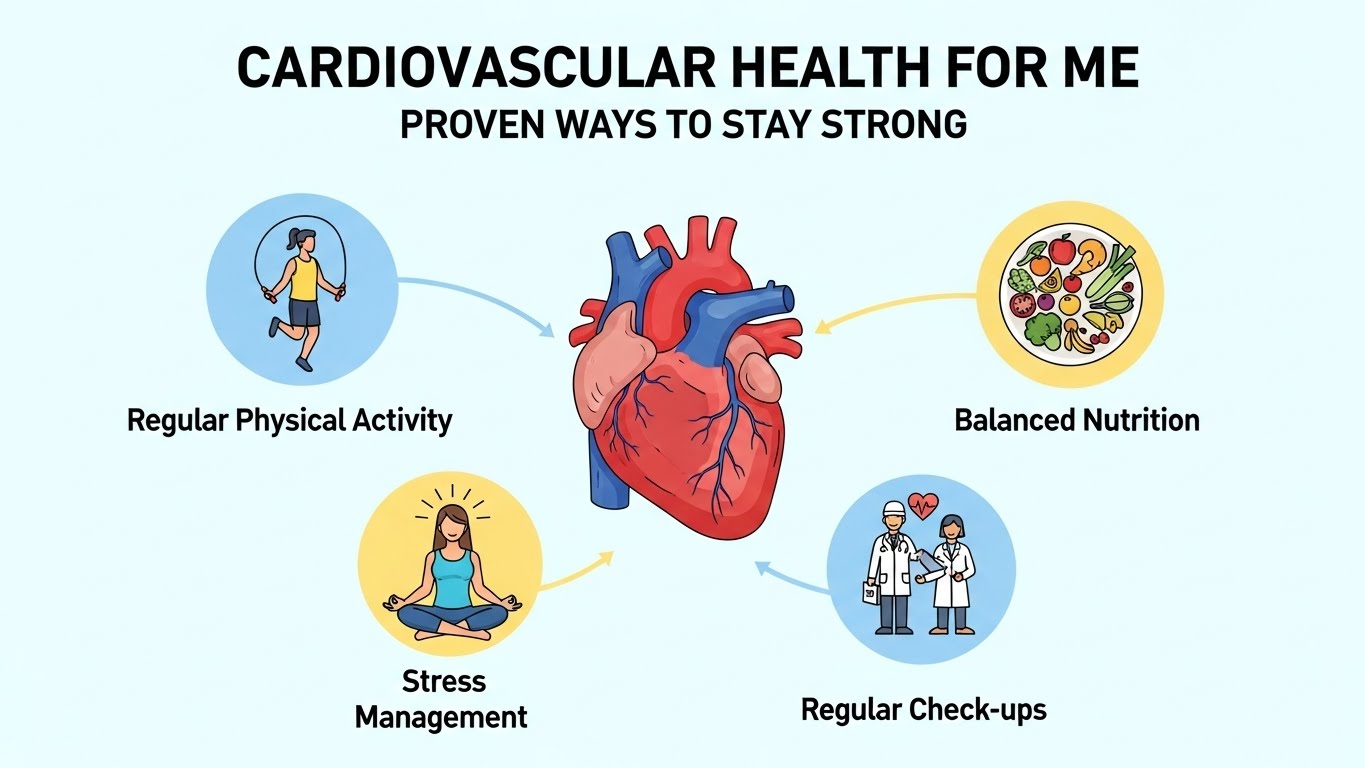
By making a few simple changes to your lifestyle, like what you eat, how much you move around, how much sleep you get, how you handle stress, and getting any necessary check-ups – men can make a huge difference in cutting their risk of heart disease and building a bit of a buffer against it.
Final Thought
For men, looking after your heart is a long-term investment, that pays off in spades. It’s not about being perfect, or some sort of health nut- it’s just about being proactive, and taking care of the body that gets you through life.
When you approach heart health in a balanced way, with a bit of common sense and a willingness to actually take care of yourself – then it can stop feeling like a chore, and start feeling like a source of confidence and energy. You start taking control of your heart – and your life – by making the right choices, one day at a time.
Read Out our latest article at: Heart Health Magnesium Essential Mineral for a Healthy Heart
Health Disclaimer: The information provided in this article is for educational and informational purposes only and is not a substitute for professional medical advice, diagnosis, or treatment. Always seek the advice of your healthcare provider with any questions you may have regarding a medical condition.