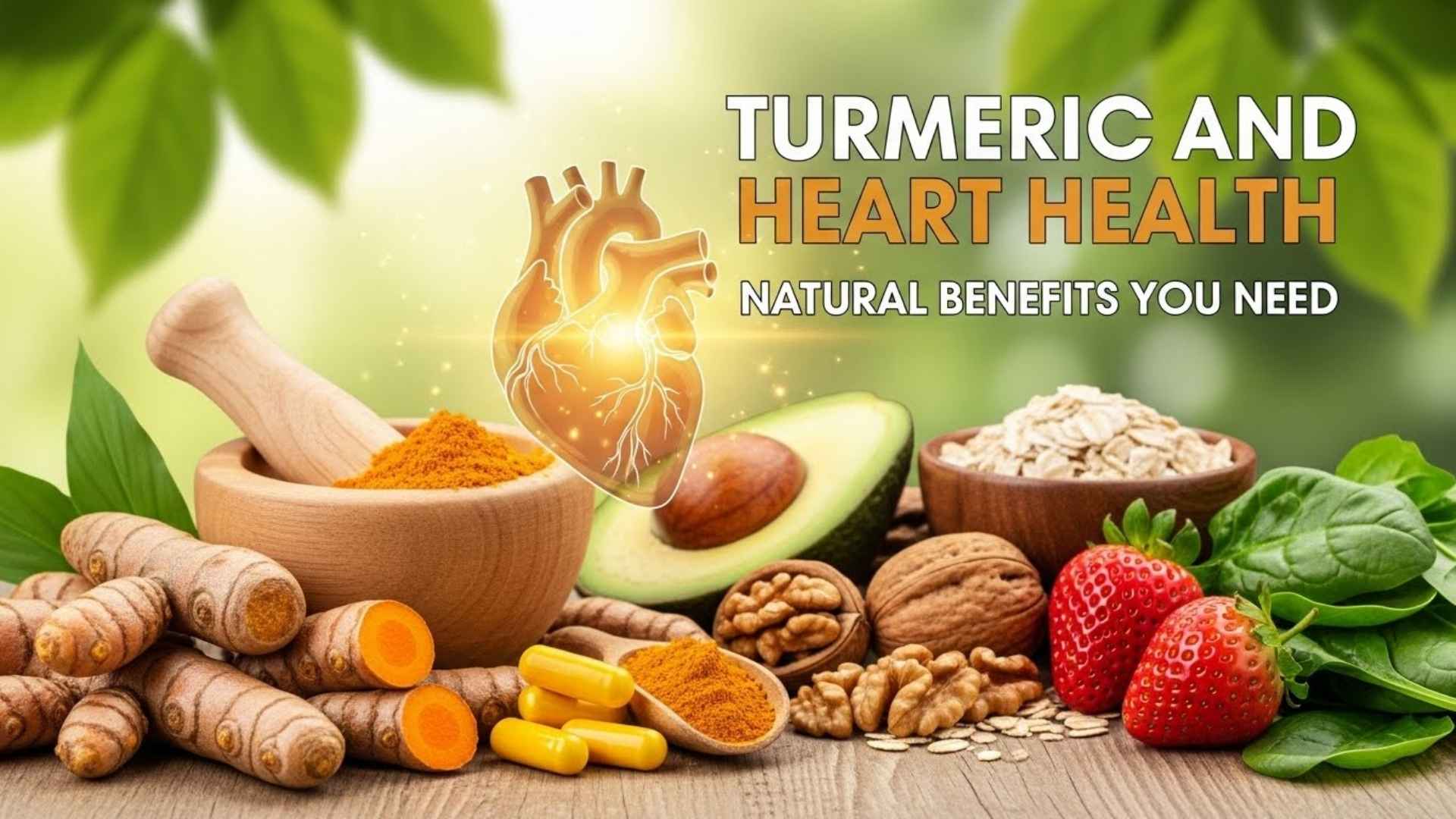
Heart disease remains one of the number one killers worldwide – a grim reality that’s been a major health concern for decades, despite all the medical advancements we’ve made. As people are starting to look beyond pills and towards more natural ways to keep their heart in top condition, interest is growing in food-based solutions backed by solid science. And among those, turmeric is standing out as a real contender. Turmeric has been used for thousands of years in Ayurvedic and Eastern medicine, but contemporary research is now starting to explain just why this bright golden spice might be doing us some real good when it comes to heart health. We’re not talking about just supporting healthy blood vessels here – turmeric’s impact on heart health is pretty broad and pretty compelling, from helping regulate cholesterol to reducing inflammation.
This article will explore the heart-healthy benefits of turmeric in a way that’s easy to understand and grounded in science. The idea is to provide a balanced take on how this amazing spice can be part of a heart-conscious lifestyle that’s actually doable – rather than some magical quick fix or outlandish claim.
Getting to Know Turmeric and Its Active Compounds
Turmeric comes from the root of a type of ginger plant called Curcuma longa. If you take a good hard look at turmeric, you’ll see that it contains all sorts of different bioactive compounds, but the real rockstar here is something called curcumin. That’s the stuff responsible for turmeric’s bright colour and it’s also the source of most of its biological activity.
Modern nutritional science types classify curcumin as a polyphenol – something that has strong antioxidant and anti-inflammatory properties. And those two things are SUPER important for heart health because chronic inflammation and oxidative stress are basically the starting point for most heart problems.
When we talk about turmeric and heart health, it’s pretty easy to get caught up in thinking that it works by basically magic – but it’s actually a lot more low-key than that. Instead of acting like some kind of stimulant or pill, turmeric is more like a behind-the-scenes helper – nudging along underlying processes that can make a real difference to long-term heart health.
Why Inflammation Control is the Name of the Game When it Comes to Heart Health
Inflammation is the body’s natural way of fighting off bugs and injury, but when it gets out of control and becomes chronic, it can start to cause real damage to blood vessels and arteries. Low-level, persistent inflammation is now known to be one of the main drivers of heart disease and related conditions like high blood pressure.
One of the most interesting things about turmeric is its ability to dial back inflammation in the body. Curcumin can interact with molecules called NF-κB and cytokines that regulate inflammation – which means it can help keep these pathways in balance and prevent the kind of silent inflammation that can quietly damage blood vessels and arteries over time.
This is why turmeric for heart health has been getting so much attention from researchers and doctors – because it’s not just about masking symptoms. It’s actually addressing one of the underlying causes of heart disease.
The Antioxidant Advantage of Turmeric for Heart Health
Oxidative stress is what happens when free radicals start to overwhelm the body’s natural defences. In the cardiovascular system, oxidative stress can cause all sorts of problems – from damaging the lining of blood vessels to making it easier for plaque to form.
Curcumin’s Double Antioxidant Punch
Curcumin is a real champion when it comes to fighting off free radicals – it both nips them in the bud directly and gets the body’s own antioxidant system working harder. This dual strategy is a real gamechanger for protecting the thin layer of cells lining blood vessels called endothelial cells.
When endothelial function is healthy, blood vessels are able to properly dilate, maintain a smooth flow, and resist abnormal clotting. And research suggests that curcumin may just be the thing to help keep that delicate balance in check – which is one reason why the connection between Turmeric & Heart Health continues to get more and more scientific backing.
Turmeric and Cholesterol: What the Research is Saying
Cholesterol levels are super important for heart health – high levels of the “bad” LDL kind and low levels of the “good” HDL kind can lead to a nasty buildup of plaque in the arteries.
Studies on turmeric and cholesterol have been pretty encouraging, especially for people who are at risk of developing metabolic problems. Curcumin seems to have a beneficial influence on cholesterol levels in a few different ways:
- The liver can start processing fats more efficiently
- It reduces the oxidation of LDL, which is a major part of the plaque formation problem
- HDL cholesterol levels might actually get a boost
Now, it’s worth keeping things in perspective – turmeric can’t replace medical treatments for cholesterol problems, but it can be a helpful addition to your diet. And that’s because turmeric tends to produce a gentle, slow-but-steady effect rather than any fast-food style fixes.
Turmeric for Blood Pressure Support – A More Balanced Approach
Blood pressure control relies on flexible blood vessels that can respond to changing situations. When those vessels get stiff or inflamed, pressure tends to rise and put extra strain on the heart.
Research on turmeric and blood pressure has suggested that curcumin may help the blood vessels relax by boosting nitric oxide levels. And that’s important because nitric oxide is key to getting those vessels to open up and let blood flow smoothly.
On top of that, turmeric’s anti-inflammatory effects can help reduce the strain on your blood vessels, making for healthier blood pressure levels. Of course, it’s worth noting that the results are varied and depend on a lot of factors – how much turmeric you’re taking, how it’s being absorbed, and what your individual health situation is like.
As always, turmeric’s potential role in heart health is more about supporting the system than replacing it with a pill.
Turmeric & Blood Flow – Why Circulation Matters
When your circulation is working properly, your body can get the oxygen and nutrients it needs and get rid of the waste products it doesn’t. But when circulation is sluggish, you can end up feeling tired, your extremities get cold, and your risk of heart problems goes up.
Curcumin helps support healthy blood flow in a few different ways it’s got anti-inflammatory properties, it fights oxidative stress, and it helps keep your endothelial cells healthy. Some research even suggests that turmeric might be able to help reduce platelet clumping, which can make it harder for your blood to flow smoothly.
All in all, this is part of why turmeric has been associated with vitality and endurance for so long – even before heart health was a buzzword.
Turmeric – A Non-Addictive Approach to Pain and Discomfort
One reason turmeric is a natural pain-reliever is that it helps the body find a healthy balance of inflammation without triggering any kind of addiction response in the nervous system. That makes it a much safer option for people looking to avoid the risks of prescription painkillers.
Many people with cardiovascular trouble also experience joint pain or chronic aches, which can make it tough to get the physical activity that’s so crucial to heart health. By gently taming the inflammation that’s behind that pain, turmeric may make it a lot easier to stay active
This indirect benefit is another good reason to give turmeric a try, especially as part of a holistic lifestyle plan.
Bioavailability Because How You Take Turmeric Matters
One of the things that can make turmeric a bit of a challenge is that curcumin has pretty low absorption rate. It gets absorbed better when eaten with black pepper – which has piperine in it – and some healthy fats.
In old cooking traditions, turmeric often gets tossed with oil and spices, not to mention helping to boost absorption. Modern supplements often include piperine or use special formulations which are designed to make curcumin easier to take up.
Understanding this little quirk is one of the reasons why some folks see more benefits from taking turmeric than others do.
Dietary Sources vs. Supplements – What’s the Best Way to Get Turmeric?
There are a few different ways to get turmeric into your diet
- Fresh turmeric root, which you can use to make tea or add to meals
- Ground turmeric powder – just sprinkle it on whatever you like
- Turmeric tea or golden milk – a lovely, comforting drink
- Curcumin-standardized supplements – if you want to make sure you get a lot of active ingredients
On the plus side, eating turmeric as part of a normal meal gives you the whole nutritional package, and it’s easy to fit it in to your daily routine. Supplements, on the other hand, give you a concentrated dose of curcumin – but you should use them with a bit of thought – especially if you’re on any medication.
From a practical point of view, the safest bet is to think of turmeric more as a supporting nutritional tool, and not as a cure-all.
Who May Get the Most Out of Turmeric?
Research suggests that people who might see the biggest benefits from turmeric are those who have
- Mild to moderate inflammation going on
- Some risk factors for metabolic issues
- Are slowly getting more active, or have a sedentary lifestyle
- Are dealing with some of the age-related changes that come with getting older.
But make no mistake – turmeric is not a substitute for getting proper medical care. If you have any gallbladder issues, or are on any meds that can cause bleeding or blood thinning, you should talk to a doctor before taking high doses of turmeric.
Responsible use is, after all, the cornerstone of good health guidance.
Lifestyle Synergy Turmeric Works Best When You Do Too
The benefits of turmeric on heart health are most obvious when you combine it with other habits that help support your heart – like
- Eating a balanced diet rich in fruits, veggies and whole grains
- Getting out and moving regularly
- Getting enough sleep
- Managing your stress levels
- Cutting back on smoking and booze.
Turmeric doesn’t replace bad habits , but it might make the good habits you do have a bit more effective.
What Science Still Has to Uncover
Research has certainly come a long way, but there is still a lot more to learn about what works best, what could be problematic in the long run, and how it interacts with the other medications we’re all taking. We still need to run some big scale human trials to get a better handle on the right dosages and to figure out just where turmeric fits into our overall heart health picture.
The fact that scientists are still poking around in this area is actually a pretty reassuring sign – it shows we’re still taking a cautious approach & not getting ahead of ourselves.
Final Thoughts
Turmeric’s reputation as a heart-friendly spice isn’t just some old wives tale anymore – we’re actually starting to see some real science backing up its ability to quell inflammation, fight off free radicals, keep cholesterol in check, and generally keep our blood vessels happy.
The relationship between turmeric & heart health is a great example of how food and science can come together to offer us some pretty gentle, non-harmful tools for long term heart health. Turmeric’s no magic bullet, and it’s no substitute for just taking care of yourself – but when you’re using it the right way, and being consistent about it, it might just help you build up some real resilience when it comes to your cardiovascular health.
If you’re looking for some natural ways to support your heart – and a whole lot of people are these days – then turmeric is definitely an oldie but goodie that’s got some real modern backing behind it.
Read Out our latest article at: Cardiovascular Health for Men Proven Ways to Stay Strong
Health Disclaimer: The information provided in this article is for educational and informational purposes only and is not a substitute for professional medical advice, diagnosis, or treatment. Always seek the advice of your healthcare provider with any questions you may have regarding a medical condition.