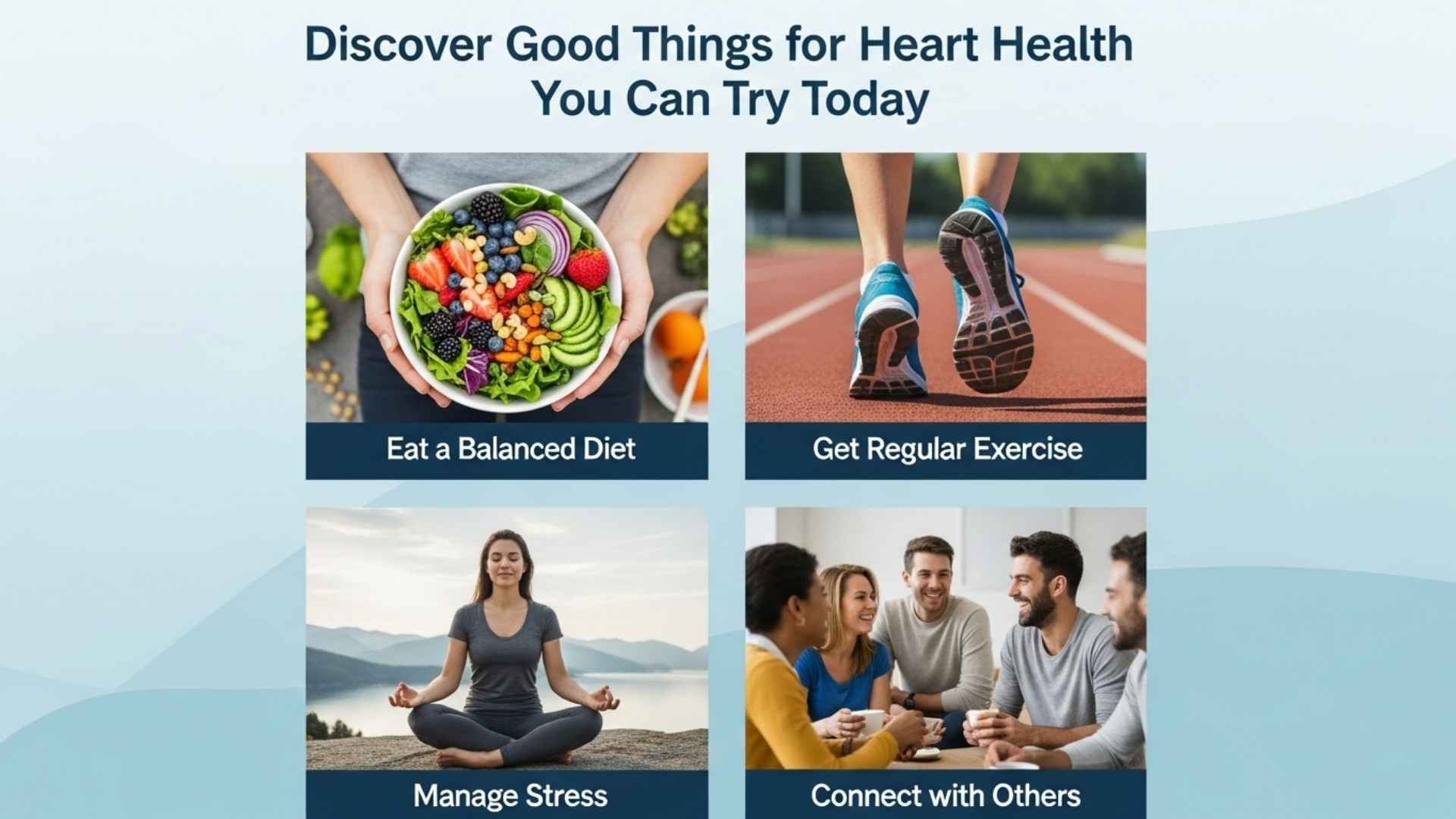
Heart health is something that’s not just reserved for later in life or for people who are already dealing with health issues – it’s a daily practice that’s shaped by a bunch of small , consistent choices you make every day . Years and years of research by doctors, nutritionists and public health experts have all come to the same conclusion: taking care of your heart is more about finding balance, being aware of what you’re doing and making some pretty practical lifestyle changes that anyone can start making right now.
This article looks at heart healthy things that you can actually do in your everyday life that are backed up by science and won’t break the bank or require you to be a saint. Rather than going down the path of fear and ‘you have to do this or else’ type rules, we’re taking a more laid back look at how you can improve your cardiovascular wellness in a really natural way. From what you eat , how you move, how you deal with stress to the routines you follow every day , these are all insights that are designed to help you build long term heart health that respects the body’s natural rhythms.
Why Your Heart Health Matters More Than Ever
The heart quietly goes about its business day in, day out, beating over 100,000 times every single day to keep you going by bringing oxygen and nutrients to all the bits of you that need them. As long as it’s working properly, most of the time you won’t even notice it’s there – but when it starts to struggle , it can have a real knock on effect on all sorts of other systems – like your energy levels, your digestion, even your brain health and your immunity.
We live in a world now where our lifestyles are different to previous generations – we do more sedentary work, we eat a lot more processed foods, we’re under more stress, we don’t sleep as well and we’re on our phones longer each day – all of which put a lot more pressure on the cardiovascular system. The good news is that your heart is actually pretty responsive to good changes in your life.
Study after study has shown that making some lifestyle changes can make a real difference to your heart disease risk, high blood pressure and inflammation risks. This isn’t about being perfect – it’s about choosing heart healthy things most of the time, not all the time.
Getting Your Head Around What Really Supports the Heart
Before we dive in and look at some specific strategies, it’s worth understanding what the heart needs to stay healthy:
- Blood vessels that can move freely and are nice and flexible
- Balanced cholesterol levels
- A stable blood pressure
- Low inflammation
- Good oxygen delivery
- A strong connection with your nervous system
Healthy approaches focus on supporting these functions in a gentle way, without relying on medications that can become addictive or other aggressive interventions. This kind of approach is becoming more and more popular as people look for non-addictive pain relief and more natural ways to ease discomfort – it’s all about prioritising your long term wellbeing over short term fixes.
Heart Health Tips That Actually Work
1. Move Your Body – But Don’t Have to Go All Out
The thing is, exercise doesn’t have to be intense to be effective. One of the things that’s often overlooked in heart health tips is how much difference it can make if you just get moving. For example, walking, swimming, cycling and light strength training are all great ways to keep your circulation healthy.
Studies have shown that just 30 minutes of moderate exercise most days of the week can:
- Help your blood vessels stay nice and flexible
- Bring down your resting heart rate
- Reduce the production of stress hormones
- Improve how well your body uses insulin
Getting moving also has the added bonus of being a natural pain reliever – it releases endorphins which helps your body manage discomfort without you needing to take medication all the time.
2. Building a Heart-Healthy Diet That Feels Like a Lifelong Thing
A heart healthy diet plan isn’t about cutting things out – it’s about feeding your body the good stuff. There are some pretty common traits that show up in the heart-protective eating patterns of cultures all over the world:
- Tons of veggies and fruits – the more colour on your plate, the better
- Whole grains instead of those refined white carbs that do nothing for you
- Good fats from olive oil, nuts, seeds, and fish – the kind that’ll make you feel like you’re getting a treat
- Lean protein – choose the foods that’ll keep you feeling satisfied
- Try to steer clear of those ultra-processed foods that are just plain bad for you
These foods are packed with fibre, antioxidants, and anti-inflammatory compounds that’ll keep your blood vessels happy and your cholesterol levels in check. And let’s not forget that enjoying your food is a big part of the fun – eating with a relaxed, mindful attitude can actually help reduce stress, which is a real heart-saver.
3. Tackling Chronic Inflammation in a Healthy Way
Chronic inflammation is a major player in heart disease, but there are lots of ways to naturally dial back the inflammation and improve your heart health.
Here are some strategies to try:
- Make sure you’re getting enough omega-3s, whether that’s through food or supplements
- Eat a wide variety of colourful plant foods that are rich in polyphenols – they’re like a superpower for your heart
- Cut back on added sugars and refined oils – they’re just not worth the trouble
- Drink plenty of water – staying hydrated is one of the simplest ways to keep inflammation in check
Some spices, like turmeric and ginger, have actually been shown to have anti-inflammatory properties and might even help with joint or muscle pain without having to reach for a pill.
The Often-Overlooked Importance of Sleep and Rest
Sleep is one of those things people always talk about in terms of “getting enough for good health”, but it’s really much more important than that. When you’re sleeping, your body is working hard to regulate blood pressure, fix up tissues, and balance out those stress hormones that can be so bad for your heart.
And when you don’t get enough sleep, things can go wrong in a big way. Poor sleep has been linked to:
- Higher blood pressure
- Increased inflammation
- Weight gain
- Insulin resistance
The general rule of thumb is that adults should get at least 7-9 hours of quality sleep a night. Creating a relaxing bedtime routine – think dim lights, reduced screen time, and a consistent bedtime – can really help you get the rest you need.
Why Stress Management is Non-Negotiable for Your Heart
Stress isn’t just something that happens in your head – it can actually have real physical effects on your heart, like increased heart rate, narrowed blood vessels, and elevated cortisol levels.
If you’re looking for ways to manage stress, here are some things you might try:
- Deep breathing exercises – the kind that can calm you down in a split second
- Gentle yoga or stretching – just what you need to unwind after a long day
- Getting outside and getting some fresh air – it’s like the ultimate mood-booster
- Cutting back on the constant stream of news and social media – it’s exhausting, let’s be real
These practices aren’t indulgences – they’re actually practical ways to protect your heart while also making everyday life a bit easier.
The Power of Social Connection and Emotional Health
People often overlook the importance of social connection when talking about heart health, but it’s actually a really big deal. Loneliness has been linked to an increased risk of heart disease, and that’s pretty scary.
Healthy relationships can actually help:
- Lower your stress levels
- Give you better sleep
- Get you moving more
- Give you the emotional resilience to deal with tough times
Laughter, conversation, and shared meals might seem simple, but they’re actually backed up by behavioural science as one of the best things you can do for your heart.
Why Hydration is a Heart-Healthy Essential
Water is basically the lifeline of your cardiovascular system – and if you’re not drinking enough, your blood can start to thicken, forcing your heart to work way harder than it needs to. Staying hydrated can help keep your blood pressure in check and make sure you’re getting the oxygen you need.
Most people should aim to:
- Drink water regularly throughout the day
- Eat foods that are high in water – think fruits and veggies
- Limit the amount of caffeine and sugary drinks you’re having
- Stick to water as your go-to drink
Staying hydrated is also a great way to support your joints and muscles – it’s a non-addictive way to manage pain and discomfort.
Alcohol, Smoking and Heart Awareness
When talking about ways to naturally boost heart health the key is balance. Smoking’s always got a reputation for doing some serious cardiovascular damage, and quitting is right up there with the best things you can do for your heart.
When it comes to alcohol, it’s always a good idea to exercise some caution. Some studies suggest that having a drink or two might not be all bad, but too much booze can send your blood pressure soaring and cause some nasty inflammation. Heart specialists will often tell you that you can have a healthy heart without ever touching a drop.
Tuning in to the Body’s Signals
Heart health is all about being aware of what’s going on in your body. If you’re feeling tired, experiencing chest discomfort, getting winded for no reason, or just plain feeling pain in unexpected places, don’t ever write it off – get it checked out right away. I mean, natural remedies are great and all, but when symptoms start showing up you need to get some professional advice.
The EEAT way of thinking is all about finding a balance between your own intuition and what the medical experts say. At the end of the day the best way to take care of your heart is to combine some good lifestyle habits with some smart decisions about your healthcare.
Building a Heart-Healthy Routine
The habits that really make a difference are the ones that you can stick with in the long term. A pretty realistic daily routine might look something like this:
- Get moving in the morning – a bit of exercise or some stretching
- Eat a balanced diet that’s good for your heart
- Take short breaks to relax
- Stay hydrated
- Wind down at the end of the day with a relaxing routine
It’s the little things that add up – make a few simple choices every day and before you know it they’ll start making a real difference to your heart health.
Heart Health at Different Stages of Life
Our hearts change as we get older. Young people need to get into good habits early on, while older folk are more focused on keeping the mobility, circulation and energy they’ve got.
The good news is that the basics remain the same at every age:
- Exercise
- Good food
- Rest
- Connection with others
- Keeping an eye on your stress levels
The trick is to adapt these basic principles to suit your own needs and make heart care a part of your daily life.
Remembering That Pain and the Heart Go Hand in Hand
When you’re in pain – whether it’s physical or just emotional – it puts extra pressure on your heart. That’s why the modern wellness movement is all about finding non-addictive ways to ease discomfort and manage pain.
Approaches like movement therapy, anti-inflammatory eating, relaxation techniques and a good night’s sleep can all help take the edge off without making you reliant on anything. And that’s exactly what we’re aiming for when it comes to long-term heart health.
Trust, Science and Real-Life Experience
EEAT health advice is all about trusting the evidence, being upfront and honest, and drawing on real-life experience. The ideas in this article are based on the latest research on heart health and the advice that health professionals have been giving for years.
Don’t get me wrong, nothing is a guarantee when it comes to your heart health. But by making just a few simple choices every day you can give yourself a real foundation for being healthy and strong.
Final Thoughts
You don’t have to make any giant leaps to get on the road to better heart health. The key is to just focus on what will make a real difference – for you – and take it one simple step at a time.
By focusing on the basics like being active, eating well, managing stress, getting a good night’s sleep and looking after your mental health you can give your heart the best possible chance to thrive naturally and sustainably.
And the journey to a healthier heart starts with being honest with yourself, and with a commitment to be kind, patient and consistent in the way you look after your body.
Read Out our latest article at: Turmeric and Heart Health Natural Benefits You Need
Health Disclaimer: The information provided in this article is for educational and informational purposes only and is not a substitute for professional medical advice, diagnosis, or treatment. Always seek the advice of your healthcare provider with any questions you may have regarding a medical condition.