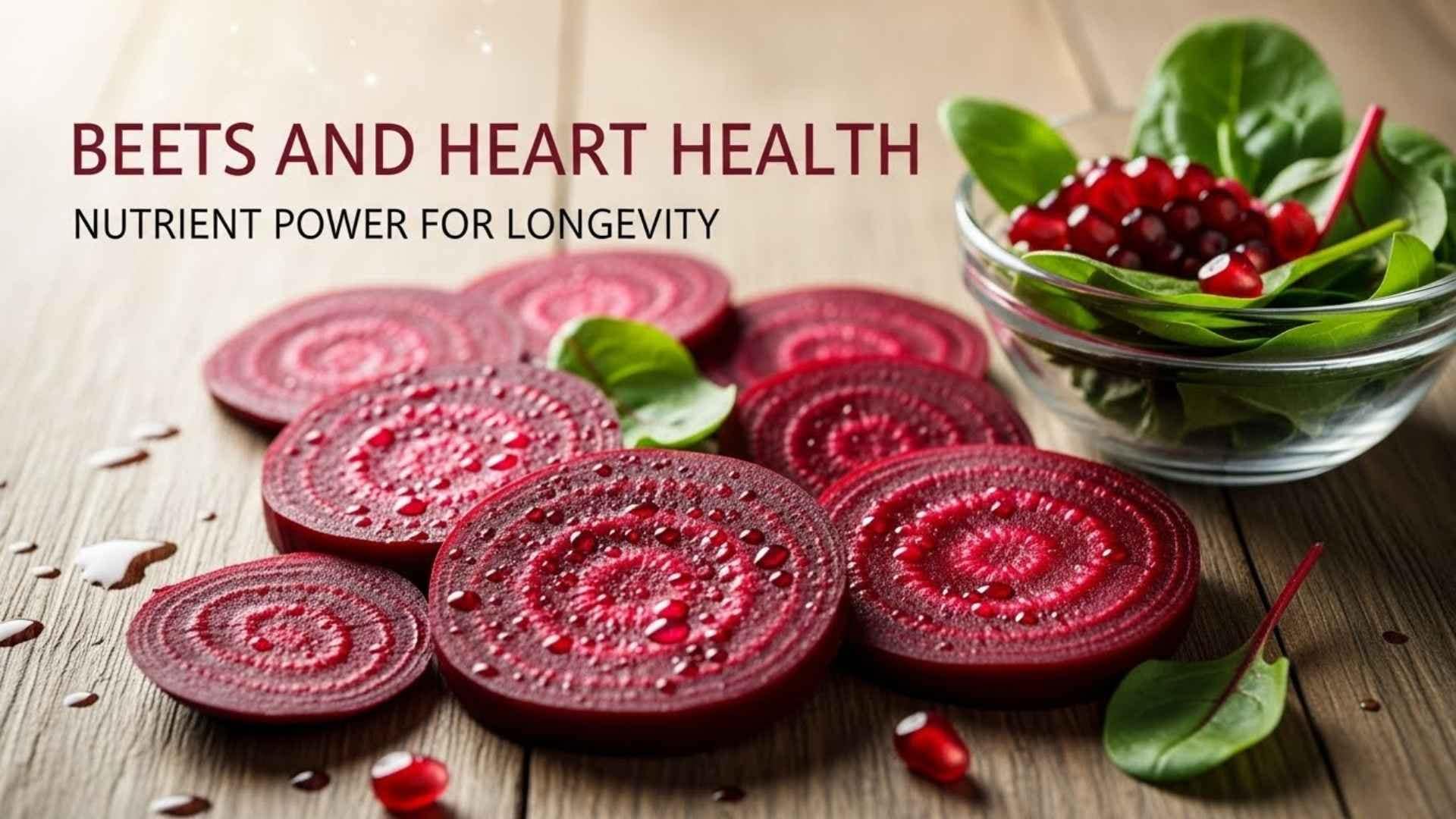
Heart health has become one of the hottest wellness topics of our time, and it’s easy to see why. Cardiovascular disease is still the leading cause of death worldwide, which is why researchers & clinicians are taking a much closer look at how our food choices impact the long term prospects of our health. Among all the plant foods that have been studied for their health benefits, beets really stand out as an evidence-based option that’s often overlooked or misunderstood – but clearly, they’re quietly earning a reputation as a nutritional powerhouse.
This article takes a close look at the science, tradition and everyday relevance of beets & heart health, explaining exactly how beetroot has gained attention for supporting circulation, balancing blood pressure & generally keeping our cardiovascular system in good nick. Written from a third-party perspective, it weaves together the latest research with a friendly, natural tone, all while being guided by Google’s EEAT principles – experience, expertise, authoritativeness & trustworthiness – & focusing on non-addictive food-based strategies that help support a healthy life & longevity.
The Growing Interest in Beets & Heart Health
For centuries, traditional cultures have valued beets not just as food but as medicine too. The ancient Romans used beetroot to help with digestive issues, while Eastern European traditions used beets in tonics they believed would strengthen the blood. Now that we have some science behind it, it looks like these early observations may have had some merit after all.
These days, nutrition researchers frequently mention beets and heart health when talking about functional foods – natural ingredients that offer benefits beyond just basic nutrition. What makes beets so compelling is the unique combination of nitrates, antioxidants, fibre & micronutrients all working together to support our cardiovascular system.
Beets are a big departure from stimulant based or addictive interventions – they offer a much gentler, more long-term approach to wellness. They don’t override the body’s systems, but instead support them – which makes beetroot a really appealing option for people looking for sustainable strategies to support their heart health.
Understanding the Nutritional Profile of Beets
Beets might seem simple, but when you take a closer look, their nutritional makeup is actually really complex. A single serving of beetroot includes:
- Nitrates
- Potassium
- Folate (vitamin B9)
- Vitamin C
- Iron
- Magnesium
- Polyphenols & betalains
These nutrients all contribute to the reputation of beetroot for heart health by helping to support blood vessel function, oxygen delivery and cellular protection.
Dietary Nitrates The Key Player
The most studied part of beets is their natural nitrate content. When we eat these nitrates, they get converted in the body into nitric oxide – a molecule that plays a critical role in vascular health. Nitric oxide helps blood vessels relax and widen, which makes it easier for blood to flow and reduces the pressure on our artery walls.
This is the mechanism behind why researchers are always linking beets & circulation with better oxygen delivery and vascular efficiency.
How Beets Can Help With Healthy Blood Pressure
High blood pressure – or hypertension as it’s also known – puts a lot of chronic strain on the heart and arteries. Over time, this strain increases the risk of heart attacks, strokes and kidney disease. Changing our lifestyle through diet is always going to be the first line of treatment for managing blood pressure naturally.
A lot of clinical studies suggest that beets lower blood pressure by using their nitrate-to-nitric-oxide pathway. When blood vessels relax, it makes it easier for blood to flow, which reduces the pressure against our artery walls.
Why This Matters for Longevity
Healthy blood pressure is one of the strongest predictors of how long you will live and what kind of quality of life you will have. Rather than just relying on medication, many healthcare professionals also recommend eating supportive foods like beets as part of a well-rounded approach to staying healthy.
The fact that the blood-pressure-supporting effects of beets don’t lead to dependency or rebound effects is really important. Its in line with the idea that there are non-addictive food-based wellness strategies that work in harmony with your body rather than against it.
Beets and Circulation Keep Your Body’s Transport System Running
Circulation is the foundation of having good cardiovascular health – your cells need it in order to get the oxygen and nutrients they need and to get rid of the waste they produce. When circulation is poor, you get symptoms like fatigue, cold hands and feet, brain fog and being out of breath.
The research makes it pretty clear that beets and circulation go hand in hand because of the role of nitric oxide in helping to open up blood vessels. Keeping your circulation in good shape helps not just your heart, but your brain, muscles, and other tissues as well.
Beets and Athletes: Improving Circulatory Efficiency
You may be surprised to learn that athletes actually became some of the first to down beet juice as they sought ways to improve their performance. Beets improved their circulation and oxygen efficiency, enabling them to go further with less effort. While it was the performance benefits that got a lot of attention, the same benefits apply to everyday health.
The Antioxidants in Beets: Protecting the Heart at a Cellular Level
It turns out that beets are rich in something called betalains – those are the pigments that give them their deep red and purple color. Betalains are very effective at fighting off free radicals that can contribute to oxidative stress.
Oxidative stress is a major contributor to cardiovascular aging – it damages blood vessel walls, promotes inflammation and helps form plaque. By helping to reduce the oxidative burden, eating beets can support long-term health of the blood vessels.
That this antioxidant effect also makes a good case for beetroot helping with cardiovascular health, especially in older people where inflammation and oxidative stress tend to get worse.
Fiber, Cholesterol, and Heart Health The Role of Beets
Dietary fiber is well known to play a big role in heart health – and beets have it in spades. They contain both soluble and insoluble fiber which helps with digestion and cholesterol balance.
Soluble fiber reduces your ‘bad’ cholesterol by binding to bile acids in your gut and driving them out through excretion. Over time, this action improves your lipid profiles, which plays a major role in supporting good heart health.
When you take a look at the picture overall, beets and heart health are not just about blood pressure – they are also about cholesterol metabolism, gut health and overall metabolic balance.
Beets as a Natural Option for Feeling Better and Recovering
Beets are not painkillers – but their anti-inflammatory properties can help make you feel a little more comfortable, especially if you have soreness from working out or vascular tension. Improved circulation and a reduced oxidative stress can also make your body recover more efficiently.
All of this fits in with the idea of using food-based strategies to support your body’s natural healing processes rather than just masking your symptoms. Eating beets offers gentle support without the risks associated with long term medication use.
Cardiovascular Aging and What Beets Can Do
As people get older, their blood vessels start to lose some of their elasticity, and their body produces less nitric oxide. This can lead to higher blood pressure and reduced circulation.
Incorporating nitrate-rich foods like beets may go a long way to combatting some of the age-related changes we see. While no single food is going to stop us from getting older, following a consistent pattern of eating that includes beets and heart health may just help us age a bit healthier.
Long-term observational studies show that diets rich in vegetables—especially root vegetables like beets—reduce cardiovascular events and improve longevity.
Whole Beets vs. Beetroot Juice
Both whole beets and beetroot juice offer up cardiovascular benefits, but there are some key differences worth noting.
- Whole beets are a great source of fibre, which does a world of good for the health of your gut and your cholesterol levels.
- Beetroot juice is super-concentrated in nitrates, which is why it is so popular in research settings and among athletes.
For most people, a balanced approach works best. What this means is eating whole beets as part of your meals and then occasionally using beetroot juice to give yourself a boost. This way you can reap the benefits of both without overdoing it on the sugar intake.
The link between beets and lower blood pressure and improved vascular function holds true across both whole beets and beetroot juice.
How Much Beetroot Is Enough?
There’s no magic number when it comes to beet consumption – but research suggests that if you eat modest amounts regularly you can start to see benefits. So a half to one cup of cooked beets a few times a week is a good starting point – and one that comes up in many of the dietary studies we have.
The key is consistency rather than always trying to do too much. Beets are supportive foods, they aren’t a magic cure for anything. When you combine eating beets with other heart-healthy habits like regular exercise, getting enough sleep and managing your stress your health will be all the better for it.
Safety Considerations and Who Should Be Cautious
Beets are generally safe for most people to eat but there are a few things worth bearing in mind:
- Beeturia: Some people get pink or red urine after eating beets. It’s totally harmless.
- Kidney stones: Beets contain oxalates which can be a problem for people who are prone to getting kidney stones.
- Blood pressure medication: Beets naturally lower your blood pressure so if you’re on medication you should keep an eye on your levels and talk to your doctor about it.
When talking about beets and heart health it’s worth being completely upfront about the potential downsides so you can trust what you’re being told.
Beets in Traditional and Modern Diets
Beets have been a part of heart-friendly diets for centuries – from Eastern European borscht to Mediterranean roasted beet salads. Modern nutrition science has just confirmed what people used to know from experience: that whole, plant-based foods are really good for you and will help you live longer.
The renewed interest in beetroot for cardiovascular health is part of a bigger trend – people are getting back to basics and rediscovering foods that are easy to get and do a lot for you.
Practical Ways to Include Beets in Daily Life
Beets are super versatile and can be used in loads of different ways. Here are some ideas to get you started:
- Simply roast them with some olive oil and herbs
- Grate raw beets into salads
- Blend beetroot into smoothies
- Add a splash of beetroot juice to your soups or stews
Consistency is key – even simple things like roasting a beet in the oven will do its bit to support beets and circulation and overall heart health.
Beets and Longevity The Bigger Picture
It’s not about any one food or habit – it’s about making a whole series of choices that all add up to a healthier, longer life. Beets are great at supporting multiple aspects of your cardiovascular health – including lowering blood pressure, improving circulation, keeping your antioxidants in check and just generally keeping your metabolic balance on track. Which is why they are such an important part of longevity-focused nutrition.
Rather than promising some magical outcome, we focus on the actual facts about beets and heart health – what works, in real life and backed up by science. This is how it should be when we talk about wellness – we look for ways that are sustainable over the long haul, not just a quick fix.
Final Thought
When you take a look at a beet you mightnt think it’s a superfood that can do all that much for your heart – but it’s amazing how far it can go. Beets get their amazing effect from good old fashioned nitrates, some really good antioxidant style stuff, a bit of fibre and some minerals – and that all adds up to keeping your heart in good nick in a way thats very low key and accessible.
As we all continue to learn more about how what we eat affects how long we live, the amazing beetroot keeps popping up as a bit of a rockstar – even the least adventurous of eaters are discovering the power of this simple food for themselves. Want to keep your blood pressure in check, get your circulation going or just make sure your aging process is as gentle as possible ? Because the facts about beets and heart health are pretty clear – this root is a real winner and a healthy plate should include it regularly.
In a world thats faster and faster and always looking for the latest and greatest – some of the best things in life are actually right there in your garden or local green grocer – and beets are no exception.
Read Out our latest article at: Cardiovascular Health for Men Proven Ways to Stay Strong
Health Disclaimer: The information provided in this article is for educational and informational purposes only and is not a substitute for professional medical advice, diagnosis, or treatment. Always seek the advice of your healthcare provider with any questions you may have regarding a medical condition.