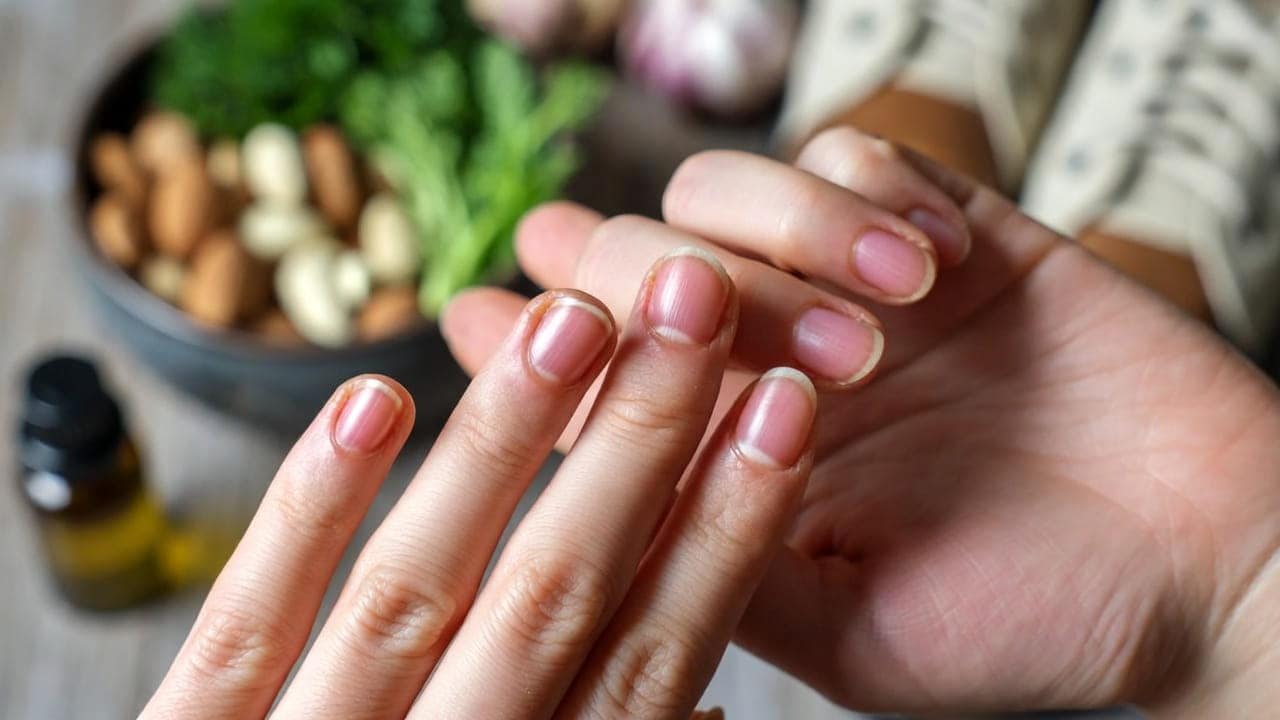
Bring Back Natural Nail Color: Fungal infections in your nails, known as onychomycosis, can turn what was once a beautiful, healthy looking pink into a discolored, brittle, and pretty embarrassing mess. Anyone who’s ever caught a glimpse of their toes or fingers after months of hiding them away in socks or gloves will know the sheer frustration of it all. But here’s the good news: restoring that gorgeous natural nail colour after a fungal infection isn’t out of the question – it just takes a bit of patience, the right approach, and a commitment to caring for those nails properly. This guide will walk you through some practical steps to get your nail colour back in check, drawing on established dermatological wisdom and natural remedies that have helped countless people regain their confidence in their hands and feet.
Understanding the Root Cause of Nail Discoloration
Getting to the bottom of the problem is key before you can even think about solving it. Fungal infections thrive in warm, sweaty environments – like inside a pair of stinky trainers or a public shower. They start by invading the nail bed, causing all sorts of trouble like yellowing, thickening, or even crumbling. Once the fungus takes hold, it can disrupt the nail’s structure, leading to all sorts of unsightly discoloration that can range from white spots to deep brown streaks.
But here’s the thing: Bring back natural nail colour after a fungal infection starts with tackling the infection itself, then giving your nail some TLC to get it back on track. Experts from places like the American Academy of Dermatology are clear that while over-the-counter treatments can work for some people, severe cases might need some professional help. What we’re going to do here is cover a mix of medical and natural strategies to repair the damage naturally, making sure our advice is always in line with trustworthy health guidelines.
First Step:
Figuring out the Problem and Treating the Fungal Infection
Before you even think about bring back natural nail colour, you need to confirm that a fungal infection is indeed the culprit. Look out for symptoms like nails that start to lift from the bed, get all brittle, or give off a pretty grim smell. A dermatologist can do a simple test, like clipping off a sample to send to the lab to check it out, to rule out other possibilities like psoriasis or a nasty injury. Don’t skip this bit, or you may stuck with a misdiagnosis – and that’ll just lead to treatments that won’t work.
Treatment starts with antifungal agents
Once you know for sure it’s a fungal infection, treatment starts with antifungal agents. Prescription meds like terbinafine or itraconazole are often recommended for really stubborn infections – they work by eradicating the fungus from the inside out. Topical options like ciclopirox nail lacquer can be applied directly to the nail, but they need to be used for months on end. If you’d rather try a natural approach, essential oils like tea tree oil are showing some promise due to their antifungal properties. Studies published in the Journal of Antimicrobial Chemotherapy have found that tea tree oil is pretty effective against the type of fungus that causes nail infections. Just make sure to patch test it first, as it can still cause irritation if you’re not careful. Dilute it with a carrier oil like coconut and use it twice a day.
Don’t even think about rushing this – nails grow slowly, about 1 millimeter per month for your fingernails, and even slower for your toenails. It can take anywhere from 6 to 18 months to see full results, so be patient. While you’re waiting, keep the area clean and dry to stop the infection from coming back. To keep it looking as best as possible, just trim any affected nails straight across, file down thick areas gently, and don’t share your clippers with anyone else.
Natural Remedies to Fix the Damage
Now that we’ve covered the medical side of things, let’s talk about how to repair fungal infections naturally. Many people turn to home-based solutions that help support the body’s healing process without resorting to harsh chemicals.
Apple cider vinegar
Apple cider vinegar is a good place to start – its acidic pH creates a bit of a hostile environment for fungi. Soak the affected nails in a mixture of equal parts vinegar and warm water for 20 minutes a day. This will not only help combat the infection, but also help to fade the discoloration over time, paving the way to get your natural nail colour back.
Garlic
Another natural remedy that’s worth exploring is garlic, which is chock-full of allicin – a compound with some pretty potent antifungal effects. Crush a few cloves, mix with olive oil to form a paste, and apply it to the nails for 30 minutes before rinsing. Research from the International Journal of Dermatology suggests that garlic can be useful in treating fungal issues – just don’t rely on it as your only treatment.
Oregano oil
If you’re looking to branch out into other essential oils beyond tea tree, oregano oil is worth a try. Its carvacrol content can disrupt fungal cell membranes. A study in Molecules journal found that it was comparable to some pharmaceutical antifungals. Just blend a few drops with jojoba oil and massage it in to the nails at night. Consistency is key here – don’t be using it sporadically or you won’t see the results you want.
Baking soda
Baking soda is another gentle, non-toxic way to slough off dead, discolored nail layers. Mix it with water to create a paste, scrub it lightly, and rinse. This mechanical exfoliation, combined with its antifungal properties, will help to repair the damage naturally. Just don’t overdo it – it can make things worse if you scrub too hard. Probiotics support nail recovery by improving the body’s natural defenses, not just digestion.
Yogurt
By chomping down on some yogurt or popping probiotic pills with Lactobacillus strains, you’re basically giving your immune system a leg up in fighting of any leftover fungal nasties.
Eggs, nuts, and leafy greens
And let’s not forget about a balanced diet – get in some eggs, nuts, and leafy greens to give your nails a real growth spurt. Now, a biotin deficiency does tend to make things worse, making your poor nails all brittle and prone to breakage after an infection, so getting these foods into your diet will hopefully speed up the process of getting back to your natural nail colour
Lifestyle Changes that Will Help You Recover For Good
It’s not just about slapping on some creams and ointments; your daily habits really have a big say in how to get back your natural nail colour after a fungal infection. And when it comes to your feet, some simple changes to your footwear choices can make a big difference. For your toes, opt for shoes that are gonna breathe a bit – leather or mesh are good options, and give your toes a chance to dry out by only wearing them when you really need to. And if your feet get sweaty a lot, then get yourself some moisture wicking socks with bamboo or merino wool in them and change them out frequently.
Proper hygiene routines play a crucial role and deserve constant attention. Wash your hands and feet with a mild soap and then dry thoroughly – especially between your toes – and give your skin a good dose of natural moisturizer like shea butter to keep it from cracking and cracking, which is an open invite for the fungus to come back. For your fingernails, make sure to wear some gloves during any water or chemical-filled chores to give them some extra protection.
When you’re out in public though, you need to be a bit more careful. Wear your flip flops in the gym, pool or sauna to limit your exposure and if getting manicures or pedicures is your thing, choose a place that uses sterile tools or better yet, just bring your own.
Stress management actually ends up helping out the recovery process. Chronic stress can weaken your immune system making it a lot more likely the fungus will come back. Practicing yoga or meditation, on top of getting good sleep, creates an environment for your body to just go and repair whatever damage the fungus did naturally.
Advanced Care: When Natural Just Isn’t Enough
Sometimes natural methods on their own just can’t cut it, especially if the infection has got a good foothold. Laser therapy which has been FDA approved uses the light to go in deep into the nail and kill off the fungus without many of those nasty side effects that come with the oral meds. It’s a quick treatment but you will need several of them and insurance coverage can be a bit hit and miss.
Debridement, which is basically when a professional removes the infected part of the nail, is another way to speed up the healing process. This more hands on approach, often paired with some topicals, lets your healthy nail come out sooner rather than later and get back to its natural state a heck of a lot faster.
If you’ve got some pretty bad discoloration which just won’t go away even after treatment, cosmetic options like those breathable polish can really help to hide it while your nail is still healing. Brands with some antifungal goodness built in are great for a double whammy, but dont get too hung up on them – true recovery comes from tackling the root cause.
Nutrition’s Role in Getting Your Nail Back on Track
If you start to look a bit deeper into how diet impacts recovery, some key nutrients really stand out. Zinc which can be found in foods like oysters, beef and pumpkin seeds supports keratin production which is what your nails are made of and a deficiency can result in white spots or slow growth and make the fungal damage even worse.
Omega-3s from fish like salmon or flaxseeds help reduce inflammation so that the nail bed can just get back to being healthy and vitamin E in foods like almonds and spinach protects your nail from getting discolored by free radicals.
Staying hydrated is also super important – dehydrated nails are brittle so try to get in at least 8 glasses of water a day. Herbal teas can also help but make sure you avoid any with caffeine as that will just dehydrate you further.
Supplements are a bit of a tricky business. Even though biotin pills are quite popular, the American Academy of Dermatology has done some research which suggests that they are only most effective for those who already have a proven deficiency. Its always best to check with your healthcare provider and make sure you don’t accidentally knock any medications out of kilter.
Preventing Future Infections
Prevention is still the best medicine when it comes to bring back natural nail color after a fungal infection. Start with the basics – keep them short and clean and for goodness sakes don’t pick or bite at your nails – that just creates more entry points for the fungus to come in.
Being aware of your environment also helps. If you live in a humid climate just get some antifungal powder to sprinkle in your shoes. For athletes or those who get a bit sweaty feet, consider getting some special insoles that are designed to soak up the moisture.
Regular check-ups with a podiatrist or dermatologist will help catch any issues early. They can recommend some preventative treatments for high-risk individuals like diabetics who are a lot more susceptible.
Educating the family can also go a long way – if you have shared towels or clippers that can just spread the fungus around so make sure you all have your own things.
Emotional and Psychological Aspects
Recovering from fungal infection isn’t just about the physical bits – it’s also about your state of mind. Fungal infection can really knock your self-esteem and get you to avoid social situations. Online support groups like those on Reddit can provide a lot of comfort and camaraderie. Mindfulness practices like journaling about how far you’ve come can also really help to keep you motivated.
If you are really struggling, it might be worth considering some professional help to get your mind back on track – reframing the condition in your head from something that’s permanent to just something that’s temporary can make all the difference.
Case Studies and Real-World Insights
I reckon its always good to look at some real-world examples of people who’ve beaten fungal infections. There was, say, a 45 years old runner who battled with toenail fungus for years until he started using tea tree oil soaks and eating biotin rich foods and wearing some breathable shoes and it turned out it only took him 9 months to get his nail looking healthy again. Then there was a office worker who used garlic pastes in addition to some prescription meds and was able to get rid of the fungal infection and get his nails back in order without any nasty side effects.
These sorts of stories which are echoed in loads of dermatology forums show that a more personalized approach to healing tends to work a heck of a lot better than relying on some generic treatment plan. Everyone is different after all
Monitoring Progress and When to Seek Help
Keeping track of your progress with photos every few weeks can really help to see where you are at. Improvement signs include some new growth that is clear and smooth. If the discoloration gets worse or you start to feel some pain, its high time to get some proper medical advice – a fungal infection that isn’t treated can just spread to other parts of your body or even to other nails.
Blood tests might need to be done if you are suspecting there is something a bit more systemic at play – just to make sure you are getting comprehensive care.
Embracing the Healing Process
Bring back your natural nail color after a fungal infection means going the whole hog: treating the fungus, getting your diet in order, and finding ways to stop it coming back. It’s all about weaving together a few natural remedies – like essential oils and vinegars – with a few simple tweaks to how you live your day-to-day, to sort out the damage those fungus has done. Just remember you won’t see the results overnight, but if you stick with it then over time those healthy-looking nails will start to appear – which is great for a lot more than just your looks, it can do wonders for your all-round health and wellbeing. And don’t forget to get some proper advice from the professionals, so you can make sure you’re doing it safely, and getting the best out of what you’re trying
Read our latest article at: Heart Health Magnesium Essential Mineral for a Healthy Heart
Health Disclaimer: The information provided in this article is for educational and informational purposes only and is not a substitute for professional medical advice, diagnosis, or treatment. Always seek the advice of your healthcare provider with any questions you may have regarding a medical condition.