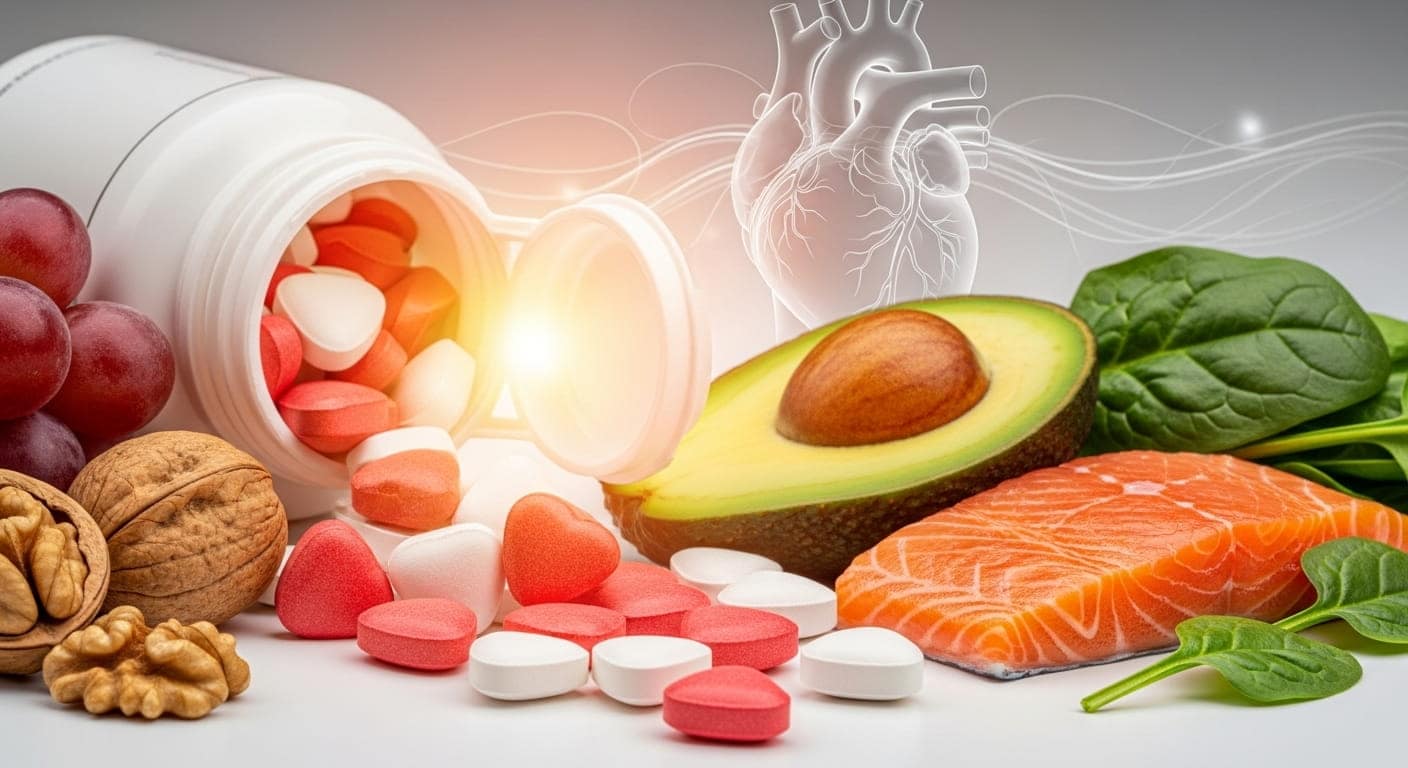
Cardiovascular health sits at the very heart of our overall well-being. When the heart and blood vessels are working properly, every other organ gets the oxygen & nutrients it needs to really thrive. However, modern lifestyles – littered with stress, processed foods, limited physical activity, and environmental pollutants – are putting an increasingly heavy strain on the cardiovascular system. And the numbers are getting worse world wide, with heart-related concerns on the rise. As a result, more and more people are on the lookout for gentle, natural ways to support their heart without just relying on medicines.
This growing interest in finding healthy alternatives has brought renewed attention to – cardiovascular health vitamins. Unlike those quick-fix solutions, these nutrients work quietly behind the scenes to give heart-function a helping hand at a cellular level. When used right, they can complement the healthy lifestyle choices we make & even help keep circulation, cholesterol levels, and vascular health in check.
This article takes a closer look at how cardiovascular health vitamins naturally improve heart function, what the science says about their benefits, and how to fit them into your long-term approach to heart health in a way that isn’t going to leave you hooked on anything.
What is Cardiovascular Health, and Why Should We Care?
Cardiovascular health is all about the condition of the heart, blood vessels, and circulatory system as a whole. When everything is working properly, the heart pumps blood with ease, delivers oxygen, removes waste, & regulates blood pressure with no issues at all. But when the system starts to weaken, the effects don’t stay isolated for long – you’ll probably start to notice fatigue, shortness of breath, brain fog, and reduced energy levels before things get really serious.
Unlike sudden injuries, cardiovascular decline is usually a gradual process – years of nutrient deficiencies, inflammation, oxidative stress, and poor circulation quietly wear down the system. This is why preventing & supporting the heart early on is so important – as opposed to putting it off until symptoms get bad. What many health experts are now emphasizing is nourishing the heart consistently through diet, physical activity, stress management, and targeted nutrition – rather than just waiting for things to get out of hand.
This is where cardiovascular support vitamins come in.
What Are Cardiovascular Health Vitamins, Anyway?
Cardiovascular health vitamins are just essential nutrients that can help support heart muscle function, blood vessel integrity, circulation, and lipid balance. They are not some kind of medication, stimulant or painkiller – they work with your body to help its natural processes happen smoothly. They help enzymes function properly, protect cells from damage, & support normal metabolic pathways.
These vitamins don’t force the heart to work any harder. What they do is help it work more efficiently, which is right in line with non-addictive, sustainable health approaches. When you have a good balance of nutrients & no deficiencies, the cardiovascular system is much better equipped to handle the ups & downs of daily life.
And very importantly, cardiovascular health vitamins really work best when they’re part of a broader lifestyle approach – not a quick fix on their own.
The Role of Vitamins in Heart Function
The heart is a muscle that’s constantly in action – it depends on a steady supply of nutrients to keep generating energy and keeping a steady rhythm. Vitamins play a number of roles in this process:
- Supporting energy production within heart muscle cells
- Protecting blood vessels from oxidative damage
- Regulating homocysteine levels linked to vascular risk
- Keeping blood flowing smoothly & circulation healthy
- Assisting in cholesterol transport & metabolism
When these processes are humming along, heart function becomes more resilient over time.
Whats Really Essential for Your Cardiovascular Health – and Why You Need These Vitamins
B Vitamins – The Heart’s Best Friends
B vitamins are pretty much the foundation when it comes to keeping your heart healthy. They help turn the food you eat into energy for your heart muscle cells, which is kind of crucial.
- Thiamine (Vitamin B1) – it literally helps your heart muscle get the message to contract
- Folate (B9), B6, and B12 – these three work together to keep homocysteine levels in check, which gets out of hand when it’s too high and puts extra strain on your heart
With the right amount of B vitamins, your energy levels will stay steady and your blood flow will be nice and smooth – talk about a win-win for your cardiovascular health.
Vitamin D: The Unsung Hero of Cardiovascular Health
Now we all know about vitamin D and bone health, but did you know it’s just as important for your heart? It helps your body deal with inflammation, keeps your blood vessels flexible, and even helps you deal with blood pressure.
Low levels of vitamin D have been linked to all sorts of cardiovascular problems – the good news is that getting your levels in check is easier than you think.
Vitamin C – The Antioxidant that Keeps Your Blood Vessels in Tip Top Shape
Vitamin C is like your blood vessels’ best friend – it helps keep free radicals from causing harm, and it even supports collagen production so your artery walls stay strong and flexible.
When you take care of your blood vessels, you’re basically taking care of your circulation – and that’s where the magic happens.
Vitamin E: The Antioxidant that Supports Your Heart’s Oxygen Delivery
Vitamin E is like a protective shield for your cell membranes – including the ones in your red blood cells. When your red blood cells are healthy, you can bet your oxygen levels are going to stay high.
Vitamin E also helps keep your blood flowing smoothly – just like it’s meant to.
Why Circulation Mattered – A Lot
When your circulation is smooth sailing, your heart doesn’t have to work as hard to get oxygen and nutrients to where they need to go. And trust us, you want it that way.
Several key vitamins team up to make sure you’ve got good circulation:
- B vitamins help keep your red blood cells healthy and on the move
- Vitamin C helps keep your blood vessels nice and flexible
- Vitamin E helps protect all the cells that help transport oxygen
All these vitamins for circulation are like a well-oiled machine – they help your body work at its best.
Cholesterol, Heart Balance and the Vitamins that Keep it All in Check
Now, here’s the thing – cholesterol itself isn’t the bad guy. It plays a role in all sorts of important bodily functions. The problem is when it starts to get out of balance.
Some key cardiovascular health vitamins help your body keep cholesterol levels in check:
- B vitamins – they help your liver do its thing and get rid of excess cholesterol
- Vitamin C – it supports your body’s ability to get rid of excess cholesterol too
- Vitamin D – it helps your body keep inflammation in check, which can have a big impact on your cholesterol levels
Rather than forcing your cholesterol levels down with medication, these vitamins for cholesterol management help your body get back into balance.
How Cardiovascular Support Vitamins Work Best Together
One of the most powerful ideas in nutritional science is the concept of synergy. In other words, vitamins do their best job when they’re combined in the right way with other nutrients, healthy fats, and elements of your lifestyle.
For instance :
- B vitamins work hand in hand to fuel your energy levels
- Vitamin D has a pretty big impact on your body’s ability to balance calcium levels – and that in turn affects the overall tone of your blood vessels
- Antioxidants like vitamins C and E really complement each other in protecting your cells – it’s like having a double-layer of defence
That’s why comprehensive cardiovascular health vitamins often have multiple nutrients in them, rather than just individual compounds.
Taking A Natural Approach To Heart Wellness
Unlike those stimulants or pain-relief medications that just mask the symptoms, cardiovascular support vitamins don’t create any kind of dependency in your body. They actually work with your existing biological processes to help keep everything running smoothly.
To us, that’s what non-addictive wellness is all about – finding ways to nourish your body for the long haul, rather than just patching things up in the short term. This means:
- Investing in long-term health, rather than just looking for a quick fix
- Getting to the root of the problem, rather than just treating the symptoms
- Fostering habits that you can stick to in the long term
When you combine that with some regular exercise, some effective stress management, and a balanced diet, vitamins can start to help reinforce your cardiovascular health in a sustainable way.
EEAT Perspective What Experts & Research Say
From an Experience, Expertise, Authoritativeness, and Trustworthiness perspective (and in simple terms, that just means looking at whether or not an organisation is trustworthy), reputable health organisations are pretty consistent in saying that having a balanced intake of nutrients is really important for cardiovascular health.
And that makes total sense, because as any clinical nutrition expert will tell you:
- Having too little of certain nutrients can quietly impair your cardiovascular function – and sometimes you don’t even notice at first
- Correcting those nutrient deficiencies often has a pretty big impact on markers related to circulation and energy – and that’s a good thing!
- And the best kind of vitamins are the ones you get before you need them – in other words, used preventively, rather than as a last resort
Vitamins aren’t meant to replace medical treatment, of course. But when used responsibly, they can be a really valuable tool for keeping your heart healthy.
Getting Vital Nutrients From Your Diet VS Supplements
Ideally, your cardiovascular health vitamins would come from a diet that’s packed with all the good stuff – think leafy greens, fruits and veggies, whole grains, healthy fats and lean proteins.
But let’s be real – between soil depletion, food processing, and the fact that absorption rates can vary from person to person, it’s not always easy to get everything you need through your diet alone. In those cases, carefully chosen supplements can be a good way to fill in the gaps.
And of course, healthcare professionals often recommend getting some personalized guidance on dosages – because it really depends on your age, your lifestyle, and any pre-existing conditions you might have.
How Your Daily Habits Help Your Vitamins Work Better
The thing is, vitamins don’t work on their own – they’re really effective when combined with healthy daily habits, like:
- Getting some regular exercise to get those heart muscles pumping
- Staying hydrated so your blood volume can support your circulatory system
- Managing your stress levels – because high levels of stress can put extra pressure on your blood vessels
- Getting some quality sleep so your cells can recover
When all these elements come together, vitamins can have a really big impact on your cardiovascular health over time.
Some Of The Common Myths About Cardiovascular Vitamins Debunked
Myth 1: More is always better
Well, it’s not – too many vitamins can actually have the opposite effect. Want to take a balanced approach?
Myth 2: Vitamins are a replacement for medical care
They can help support your health, but they should never replace a proper diagnosis or treatment.
Myth 3: You’ll see immediate results
No, in reality, natural cardiovascular support works a lot more slowly – often taking weeks or months to show real results.
Who May Really Benefit from Cardiovascular Health Vitamins?
While taking care of your overall health is a good idea for just about everyone – there’s a few groups that might find cardiovascular support vitamins a really useful addition to their regime:
- People who’ve hit 40 (or are closing in on it like a freight train)
- Anyone whose life is a non-stop whirlwind of stress
- Folks who don’t get out in the sun much
- Individuals who have a pretty restrictive diet
- People who view wellness as something to aim for on a daily basis
In cases like this, vitamins can serve as kind of a foundation to lean on, not something to grab onto when things have gone wrong.
Getting a Clear Picture of Heart Health
When it comes to being truly healthy – not just alive – cardiovascular wellness isn’t something you put together with a single magic pill or a single new habit. It’s the result of all the little choices you make every day, one on top of another over the course of months and years. Cardiovascular health vitamins are one part of the bigger picture – a bit of support that helps things run as smoothly as possible.
When you combine a mindful approach to nutrition with a bit of exercise and some stress-reduction techniques, these vitamins help create a healthy environment where your heart can really shine.
Final Thoughts
Cardiovascular health vitamins work by supporting the body’s own systems, rather than trying to step in and take charge. By giving a boost to blood circulation, helping keep cholesterol balanced, and taking care of the health of your blood vessels, they play a pretty big role in keeping your heart healthy for the long haul.
If you approach them with a bit of thought and a lot of responsibility, cardiovascular support vitamins can be a really valuable tool in the fight for heart health. They’re not magic bullets, but they’re a powerful ally in the battle to stay well in a world that’s getting more demanding by the day. And as always, there’s no substitute for making informed choices, getting some expert help, and being consistent if you want a healthy heart.
Read Out our latest article at: Discover Good Things for Heart Health You Can Try Today
Health Disclaimer: The information provided in this article is for educational and informational purposes only and is not a substitute for professional medical advice, diagnosis, or treatment. Always seek the advice of your healthcare provider with any questions you may have regarding a medical condition.