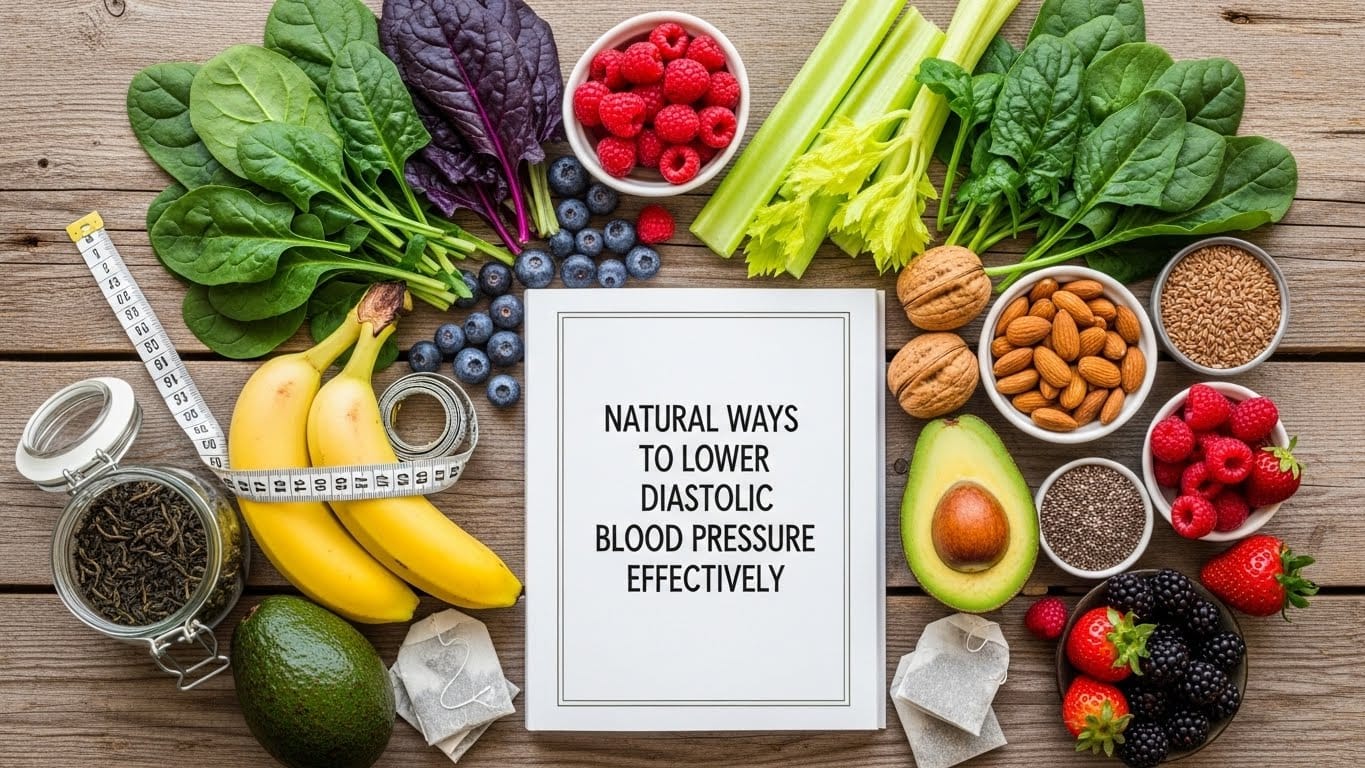
Diastolic blood pressure – often the unsung hero of the blood pressure duo – still packs a lot of oomph in terms of cardiovascular health. The thing is – while everyone’s all worried about their systolic blood pressure, measuring the force of blood against artery walls when the heart is pounding away, diastolic pressure is the pressure that’s going on when the heart’s not doing too much of the heavy lifting. In other words, it’s what happens when the heart is taking a breather between beats. And for those who have diastolic blood pressure that’s always on the high side, that can quietly add up to a world of trouble – putting strain on the heart, damaging the blood vessels, and making it more likely for you to get heart disease, a stroke, or kidney problems.
For a lot of us, making some basic lifestyle changes and tweaks to our eating habits can really start to drive down those numbers. In this article, Natural Ways to Lower Your Diastolic Blood Pressure are explored – and I mean really explored. I’m talking evidence-based, practical advice that’s designed to give you crystal clear, trustworthy guidance that’s totally conversational in tone – much like you’d get from a friend who’s got their finger on the pulse. Its written as if you were chatting with a trusted friend – who just so happens to know a thing or two about Google’s EEAT principles – experience, expertise, authoritativeness, and trustworthiness.
Getting a handle on Diastolic Blood Pressure
Diastolic blood pressure is the bottom number in a blood pressure reading, like 120/80 mmHg. The “80” there is your diastolic pressure. And when that number keeps creeping up above 80 – 90 mmHg – well, it might be a sign that your arteries are getting a bit clogged up, or that your cardiovascular system is feeling the strain longterm.
Unlike sudden blood pressure spikes, high diastolic pressure tends to sneak up on you over time. Things like living with chronic stress, eating a pretty rubbish diet, being pretty inactive, carrying around a bit of extra weight, smoking, and drinking too much all play a part. Genes and getting older can’t be ignored either – but it’s worth remembering that your lifestyle is what gives you the most leeway for making changes.
Understanding that is basically the foundation you need to start figuring out how to naturally and safely bring your diastolic blood pressure down.
Why Go the Non-Medical Route?
Loads of people are trying to bring their diastolic blood pressure down without relying on pills. Either their numbers are only slightly high or they just want to pair a healthier lifestyle with whatever their doctors are telling them to do. Natural approaches let you get to the root of the problem rather than just masking the symptoms.
Natural strategies usually have a few big benefits:
- They can improve your overall heart health
- They often help you stick with a new routine long-term
- If you can get your blood pressure under control through lifestyle changes, that means less reliance on medication
- They can also help you feel better day to day with fewer of those nasty side effects
Just to reiterate – if youve got seriously high blood pressure, you need to check in with your doctor before trying any of this. Natural methods are a great addition to your routine if you’re looking to prevent problems or help out your doctor with your overall care – but they’re no substitute for a prescription when you really need one.
Making Healthy Dietary Changes to Support a Healthy Diastolic Pressure
1. Start by Gradually Reducing the Amount of Salt You Eat
Too much sodium in the body causes it to hold on to water, makes your blood volume go up, and puts extra pressure on your artery walls – which is basically the opposite of what you want when it comes to your diastolic blood pressure. Now, rather than cutting out salt overnight (which is pretty much impossible anyway), its much smarter to take it slow and ease yourself into it. Switching to fresh foods instead of processed ones is a great place to start – its a simple way to really cut back on your sodium intake.
Reading food labels, cooking at home and planning your meals are all key to having more control over how much salt you eat – and therefore being able to make some real changes to your diet.
2. Eat More Foods Rich in Potassium
Potassium is a superstar when it comes to balancing out your sodium levels and helping your blood vessel walls relax – which is all good news for your diastolic blood pressure. Foods that are naturally high in potassium include bananas, oranges, avocados, spinach, sweet potatoes, beans and yogurt (to name just a few).
The truth is that eating a diet rich in potassium can do a lot to support your heart rhythm and help your blood pressure stay healthy – and that can make a big difference to your overall health in the long term.
3. Eat More Whole, Unprocessed Foods
These are the foods you want to be eating – not just for your diastolic blood pressure, but for your overall health and wellbeing too. Fruits, vegetables, whole grains, nuts, seeds and lean proteins are all great choices, and they have one big thing in common: theyre all packed with the nutrients you need without any of the bad stuff (like excess sugars, unhealthy fats and added salt). In fact, theres a diet called the DASH (Dietary Approaches to Stop Hypertension) diet that has been specifically designed to help manage blood pressure using whole, unprocessed foods.
One key thing to focus on is swapping out refined carbohydrates and sugary snacks for things that are high in fibre – like whole grains, fruits and vegetables. This is a great way to stabilise your blood sugar levels, reduce inflammation and generally support the health of your blood vessels.
4. Eating Healthy Fats is Key to Good Vascular Health
Now, you may have heard that all fats are bad for you – but that just isnt true. There are some fats that are really good for you – like the ones found in oily fish, flaxseeds and walnuts, which have anti-inflammatory effects and can help to improve the flexibility of your blood vessels. These healthy fats can really help to smooth out the flow of blood through your body – which is a great way to bring down your diastolic pressure.
Getting Moving to Help Control Your Blood Pressure
Movement really is one of the most effective – and easiest – natural ways to lower your diastolic blood pressure. By getting your heart working overtime, it ends up being easier for it to pump blood, and that makes for a lower blood pressure.
1. A Little Bit of Cardio Goes a Long Way
You can get some great benefits from doing things like brisk walking, cycling, swimming or even just dancing round the house for 30 minutes each day. And aerobics will not only get your circulation going but also help your arteries stay young and supple.
What matters most with cardio is that you stick to it. It’s not about how hard you’re pushing yourself; doing a bit regularly has a real impact. Even some moderate exercise done every day will start to make a difference.
2. Lifting Weights is a Bit of a Game Changer
Resistance exercises build muscle, make you less prone to insulin resistance, and also will help your body’s metabolism out. Doing strength training 2 or 3 times a week will go hand in hand with your cardio work and will also help with keeping your blood pressure under control.
3. Add Some Movement to Your Everyday Routine
It’s not just about hitting the gym. Getting up and moving around a bit more – whether that’s taking the stairs, getting up to stretch, or getting off your butt at work for a break – will get you out of that sedentary trap. And those little bits of extra movement will all add up in the long run to keep your heart healthy.
Stress Management – Looking Out For Your Emotional Wellbeing
Chronic stress is a sneaky cause of your diastolic blood pressure rising. When you’re under stress, your body starts releasing stress hormones and your blood vessels constrict and your heart starts pounding.
1. Mindfulness & Deep Breathing – A Tonic for Your Nerves
Mindfulness practices like meditation and deep breathing exercises get your parasympathetic nervous system going. This helps calm you down, lower your heart rate and relax your blood vessels.
Even just 5-10 minutes of proper, slow breathing can calm you right down on the spot
2. Quality Sleep Its Not Just a Nice To Have
When you dont get a good nights sleep, its like your hormones go haywire and your stress levels go through the roof. So aim for 7-9 hours of proper sleep per night. Get a consistent sleep routine going and try not to look at your phone right before bed to help you sleep better and have a bit more control over your blood pressure.
3. Being Social & Getting Emotional Support – The Home Remedy You Never Knew About
Having good mates can really help keep stress at bay and keep you on the right track with your diet and exercise. And emotional wellbeing is a biggie when it comes to keeping your heart healthy – so maybe try thinking of socialising as a bit of a free therapy to help bring your diastolic blood pressure down.
Weight Management and Metabolic Health
Excess body weight puts an awful lot of extra work on the heart – not to mention a whole host of other health problems. And the good news is that even a small amount of weight loss, say 5 to 10 percent of your body weight – can make a really big difference in lowering your diastolic blood pressure.
Healthy weight management is really all about finding habits that are sustainable in the long term – and that means ditching the restrictive diets. A balanced diet, regular exercise, and ways to manage stress all work together to keep your metabolic health in check.
Limiting Alcohol and Avoiding Tobacco
Alcohol Moderation
Drinking too much alcohol can have a big impact on your blood pressure. Not only that, but it can also mess with your sleep and stop your body from absorbing the nutrients it needs. That makes it really hard to get your diastolic blood pressure down naturally – but limiting your drinking to moderate levels, or giving it up altogether – can make all the difference.
Smoking and Vascular Damage
Smoking does a number on your blood vessels – it damages them and reduces the amount of oxygen that gets to your whole body. Quitting is one of the single most important things you can do for your heart – and you can start to see improvements in your blood pressure within just a few weeks of kicking the habit.
Staying Hydrated and Keeping Your Circulation Going
Drinking enough water is essential for keeping your blood volume up and circulation flowing smoothly. And if your blood vessels do get a bit dehydrated, they tend to constrict – which can drive up your diastolic pressure. So make sure you drink plenty of water throughout the day to keep your cardiovascular system in balance.
And ditching sugary drinks in favour of water or herbal tea can make a real difference too
Home Remedies that Actually Work to Lower Diastolic Blood Pressure
A bunch of traditional and lifestyle-based home remedies have some actual science to back them up:
- Garlic: Yep, it might really help your blood vessels relax and your circulation get a bit better.
- Hibiscus tea: Some studies say that it can lower your blood pressure a bit – although it’s no miracle cure.
- Dark chocolate (in moderation, of course): Its flavonoids are good for your blood vessels – as long as you don’t overdo it.
- Magnesium-rich foods: Eating foods with magnesium can help your muscles relax and your blood vessels do their job properly.
These home remedies are only half the battle, though – they work way better when you’re also making some bigger changes to your life.
It’s All About Long-Term Effort, Not Quick Fixes
Lowering your diastolic blood pressure by natural means takes time – unlike a pill, which does its magic all at once. But these natural approaches have a bunch of benefits that go way beyond just your blood pressure. They can even help with energy, mood, digestion and stopping diseases from developing in the long run.
Keeping track of your progress by checking your blood pressure regularly can really help you stay motivated – and figure out which methods work best for you.
When to Seek Some Help
While a healthy diet and exercise routine can lower your diastolic blood pressure for lots of people, there are situations where you really do need a doctor’s opinion. If your numbers just wont come down, or if you’re getting dizzy or having chest pains, and you’re already dealing with heart problems, get yourself in for a checkup.
Natural ways to lower diastolic blood pressure are great, but they’re meant to be part of a bigger picture of how you take care of yourself.
Final Thoughts
Lowering your diastolic blood pressure doesn’t have to be a radical overhaul of your life. By really focusing on wholesome eating, getting some regular exercise, figuring out how to manage stress, and just generally adopting healthier habits – that’s pretty much it, and you can see real improvements.
These natural ways to lower your diastolic blood pressure take the long view, they’re not about quick fixes. By getting to the root of what’s going on and supporting your body in its own way, you can keep your heart healthy for the long haul.
In the end, really understanding how to lower diastolic blood pressure naturally lets people take charge of their own health. And that’s a pretty powerful thing – it gives you the confidence to take care of yourself, build up your resilience, and set yourself up for a long and healthy heart.
Read Out our latest article at: Bright Heart Health Transforming Telehealth Wellness for a Healthier Future
Health Disclaimer: The information provided in this article is for educational and informational purposes only and is not a substitute for professional medical advice, diagnosis, or treatment. Always seek the advice of your healthcare provider with any questions you may have regarding a medical condition.