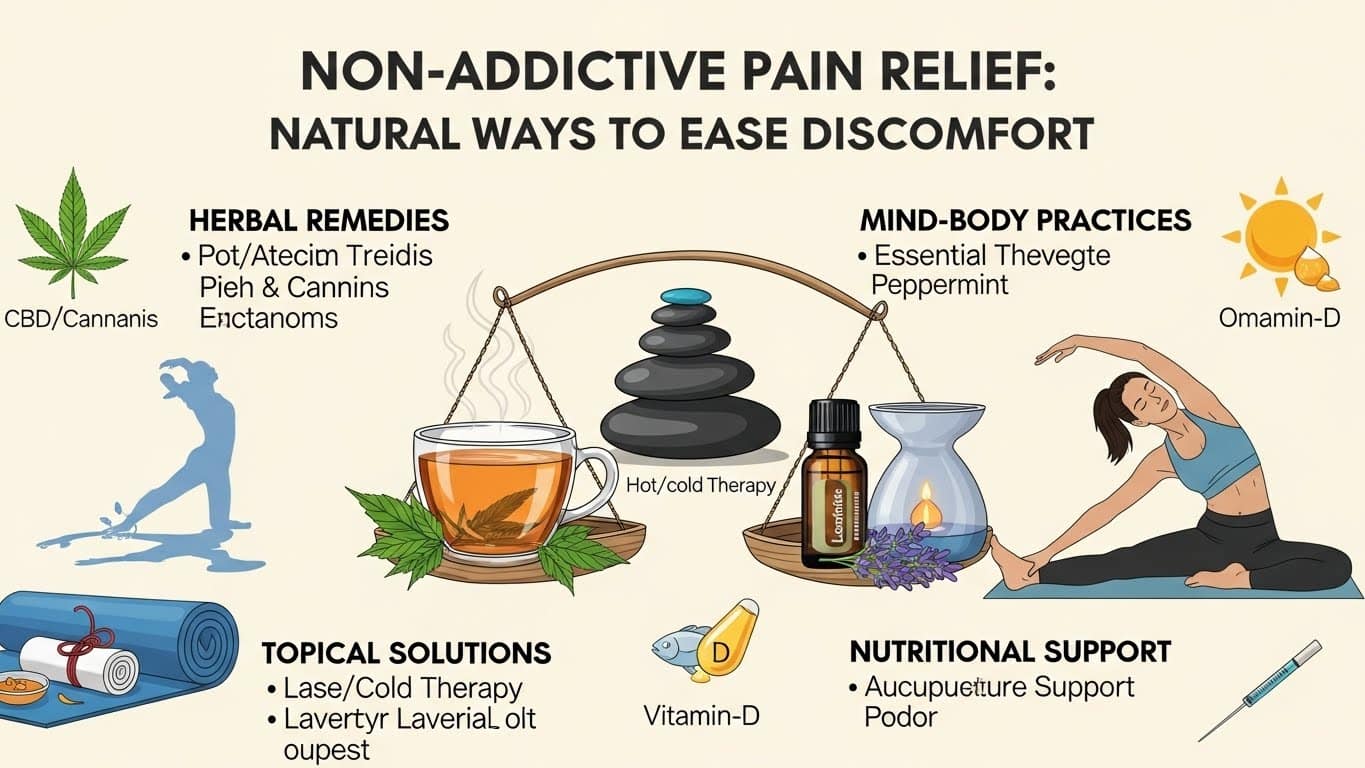
Pain is right up there with breathing as one of the most universal human experiences. It can just as suddenly show up out of nowhere after an accident or slip quietly into town and set up house as a nagging, chronic condition. Pain can get along famously with stress & age & all our lifestyle choices – sometimes it’s like an unwelcome housemate that’s always lurking in the background. For decades now people have relied on prescription pills from the doc or over-the-counter meds from the pharmacy to dull the discomfort. And while these work a treat in some situations, as more & more people start to get the message about dependency, side effects, and long term health risks, growing numbers are having a rethink and looking for natural non-addictive pain relief options that they can put their faith in.
Across cultures & across the generations, people have used natural methods to ease the pain for a pretty long time – long before any of those modern meds came on the scene to clutter up the pharmacists. Today , science is starting to catch up & validate some of these old standbys. This piece delves into how natural non-addictive pain relief actually works , why it matters, and also covers some of the approaches that have got real world experience to back them up.
Getting a Grip on Pain – and Why Non-Addictive Solutions Are So Important
Pain isn’t just a physical ache, its a complicated mix-up of nerves buzzing, the brain trying to make sense of it all, some inflammation thrown in for good measure, emotions getting in the way, and even memories hanging around long after the damage is done. Acute pain is a useful warning sign, telling you that something’s gone wrong. But chronic pain is a different beast entirely – a condition all its own that can just keep on going even after you’ve healed.
The problem with traditional pain management is that it often relies on meds that can lead to people getting used to them or even needing them just to feel normal. And that’s led a lot of healthcare professionals and patients to start thinking about pain in a whole new way. The goal now isn’t just to shut off the pain for a bit, but to help the body figure out how to heal itself.
This is where non-addictive pain relief strategies kick in and become super important. These approaches are all about cutting down on discomfort without messing with your brain chemistry in a way that gets you hooked. Instead, they work with your body’s natural rhythms and support balance over taking control.
The Role of Inflammation in Discomfort
Inflammation – a natural body response that often gets left unchecked- is behind a lot of the pain and discomfort we’re dealing with – joint pain, muscle soreness, the odd headache, and even nerve issues. And while your body’s natural response isn’t a bad thing, when it persists on a low-grade level it can turn into a source of ongoing pain.
Natural pain-relief remedies tackle inflammation directly, and they often take a gentler approach than synthetic painkillers, which block the pain response entirely and can cause serious long-term consequences. Instead natural options work with your body to reduce that inflammation sustainably.
how your lifestyle factors in here – the food you eat, the sleep you get, how much stress you’re under and how you move your body all play a pretty big role in whether you’re plagued with pain or not. When one (or several ) of those things gets out of whack – you can bet your bottom dollar you’ll be in pain. Addressing the root causes of that inflammation – holistically – can have a double-whammy effect – it’ll not only reduce your pain but actually improve your overall well-being.
Nutrition as a Foundation for Pain Relief
Food is probably one of the most underrated tools weve got for naturally managing pain. There’s a whole bunch of nutrients out there that can support joint health, keep your muscles functioning properly, and even help with nerve communications.
Omega 3 fatty acids in fish, flaxseeds and walnuts have been studied quite a bit for their anti-inflammatory properties – although we still have a lot to learn about how they work. Magnesium is great for relaxing your muscles and keeping your nerves firing on all cylinders, while the antioxidants in all those lovely fruits and veggies can help mop up the oxidative stress that can really contribute to pain.
From where I’m sitting, nutrition as a way to manage pain is backed by both real scientific research and actual people’s experiences out there in the real world. In fact, more and more healthcare pros are starting to see diet as a core part of non-addictive pain relief – especially for people dealing with long-term chronic pain.
Herbal and Plant-Based Approaches
For centuries, people have turned to plants to tackle discomfort, and many of these natural remedies are still in play today. Herbs like turmeric, ginger, and boswellia have been of interest to scientists because of their possible role in helping to keep inflammation in check.
Researchers have studied curcumin, the compound in turmeric, for its effects on joint and muscle aches. Ginger shows promise in easing soreness and improving circulation, and people often highlight it as a natural pain relief option that avoids dependency because it doesn’t interfere with the brain’s reward system.
It’s worth keeping in mind that just because something is natural it doesn’t automatically make it risk-free. The quality of the product, the dosage, and the individual’s health situation all matter. If you look for credible sources and get advice from a professional you can pretty much guarantee it’ll be safer and more effective.
Movement and Physical Therapies
Gentle, consistent movement is often one of the most overlooked but really effective ways to ease pain. It’s pretty ironic that when we hurt, the last thing we want to do is move – but leaving things still tends to make the discomfort worse over time.
Yoga, tai chi, and low-key stretching all help keep circulation going, loosen up stiffness, and make our bodies more flexible. Physical therapy does more than just patch up symptoms – it gets to the underlying cause of the pain.
These sorts of techniques show you what actual non-addictive pain relief looks like because they let you take charge of your own recovery. And as a bonus, they help you build up some strength, so you can handle it when life comes at you with a bit more pain in the future.
The Mind-Body Connection in Pain Management
The truth is pain gets pretty wrapped up in the nervous system. Stress, anxiety and just having a bad day can really turn up the dial on what we feel as pain.
Mind-body stuff like meditation, breathing exercises – you name it – all help change the way our brains deal with pain signals. These techniques won’t make pain vanish overnight , but they can really tone down just how much we feel it over time.
Medical institutions strongly recommend these techniques as trustworthy, complementary tools for non-addictive pain relief because they empower you to regulate your own pain instead of relying on dependency.
Heat, Cold, and Sensory Therapies
Sensory therapies are still pretty effective for a whole range of discomforts even today. Heat therapy can help loosen up tense muscles and get the blood flowing again, while cold therapy does a great job of reducing swelling and numbing acute pain.
Modern variations on the classic heat or cold therapy – like contrast therapy, infrared heat and putting stuff on your skin – have taken these traditional methods to the next level. And the truth is, when you’re using them right, they can give you quick pain relief without putting your long term health at risk.
The beauty is that these options are super accessible, easy on the wallet, and can easily be slotted into your daily routine. The fact that they work so well really drives home the point that you don’t always need some super complex solution to get relief from pain.
Sleep & Recovery the Pain Modulators We Need
Poor sleep and chronic pain are in a nasty partnership, where one wrecks the other. Pain here, sleep trouble there – and before you know it, you’re stuck in this cycle. But the good news is that getting a grip on your sleep quality is key to actually getting some real relief from pain – for good.
If you want to get better sleep naturally, you should probably stick to a regular sleep schedule, no screens before bed, and a bit of light and food to keep your internal clock ticking. When you sleep better, your body can actually start fixing itself and even lower those inflammatory markers that make pain so much worse.
Sleep is really becoming a very important foundation for any natural pain relief plans, especially for people with long-term pain issues.
Building a Pain Reliever that’s Just for You
Everybody’s pain experience is unique – and that’s because its got a lot to do with your genes, how you live your life, how you’re doing mentally, and the world around you. And that’s why a one-size-fits-all approach just doesn’t cut it.
For non-addictive pain relief, you usually need to put together a bunch of different strategies that work for you getting the right nutrients, getting moving, managing that stress, and maybe even some targeted natural treatments. The thing is, its the small daily changes that really add up over time – not some huge burst of intensity. And if you’re getting help from a qualified healthcare provider, they can help you figure out how to mix and match all these approaches safely – especially if you’ve got other health issues going on or if you’re trying to get off of meds.
What the Science Says About Finding Real Pain Relief
Science has been making some really big strides in natural and integrative pain management lately. More & more studies are showing that tweaks to our lifestyle & plant-based compounds can be a game-changer for pain sufferers – when used as part of a pain-fighting team, that is.
The medical establishment has finally come around to recognising that relying on just medication isn’t always the best idea. This shift in thinking is what’s giving a boost to non-addictive pain relief strategies and proving they’ve got a place in modern healthcare – one that’s here to stay.
Pain Relief that You can Trust
One of the main reasons people are turning towards natural methods for pain relief is the focus on actually fixing the problem, rather than just masking the symptoms for a little while. By helping your body heal itself, these methods often have loads of extra benefits – like heaps more energy, a better mood, & more freedom of movement.
The best pain relief strategies are upfront about their limitations and what to realistically expect. We know that natural methods can sometimes take a bit longer & need a bit more effort, but the good news is they can often lead to sustainable results in the long run.
This balance of honesty, solid research, & real-world experience just happens to square perfectly with Google’s EEAT principles – which makes non-addictive approaches all the more believable & reliable.
Final Thoughts
Its not like pain has to be in charge of your life – and the idea that relief has to come with all the baggage of dependency or awful side effects is just plain old not true. By giving natural pain relief a go – that is , non-addictive pain relief – you can take a much more proactive, informed approach to dealing with discomfort
From eating the right foods to moving around in a way that feels good for you, to cultivating mindfulness and getting some restful sleep – all these things offer a pretty comprehensive toolkit for making pain easier to live with, plus they can help you feel pretty good all round. When you use them, and make sure theyre backed by an understanding of what the evidence says, then these methods can be both safe to use and actually work.
As people grow more informed, they now view non-addictive pain relief not as a last resort but as the norm—a thoughtful, forward-thinking way to manage pain.
Read Out our latest article at: Improve Cognition with Antioxidants for Brain Health
Health Disclaimer: The information provided in this article is for educational and informational purposes only and is not a substitute for professional medical advice, diagnosis, or treatment. Always seek the advice of your healthcare provider with any questions you may have regarding a medical condition.