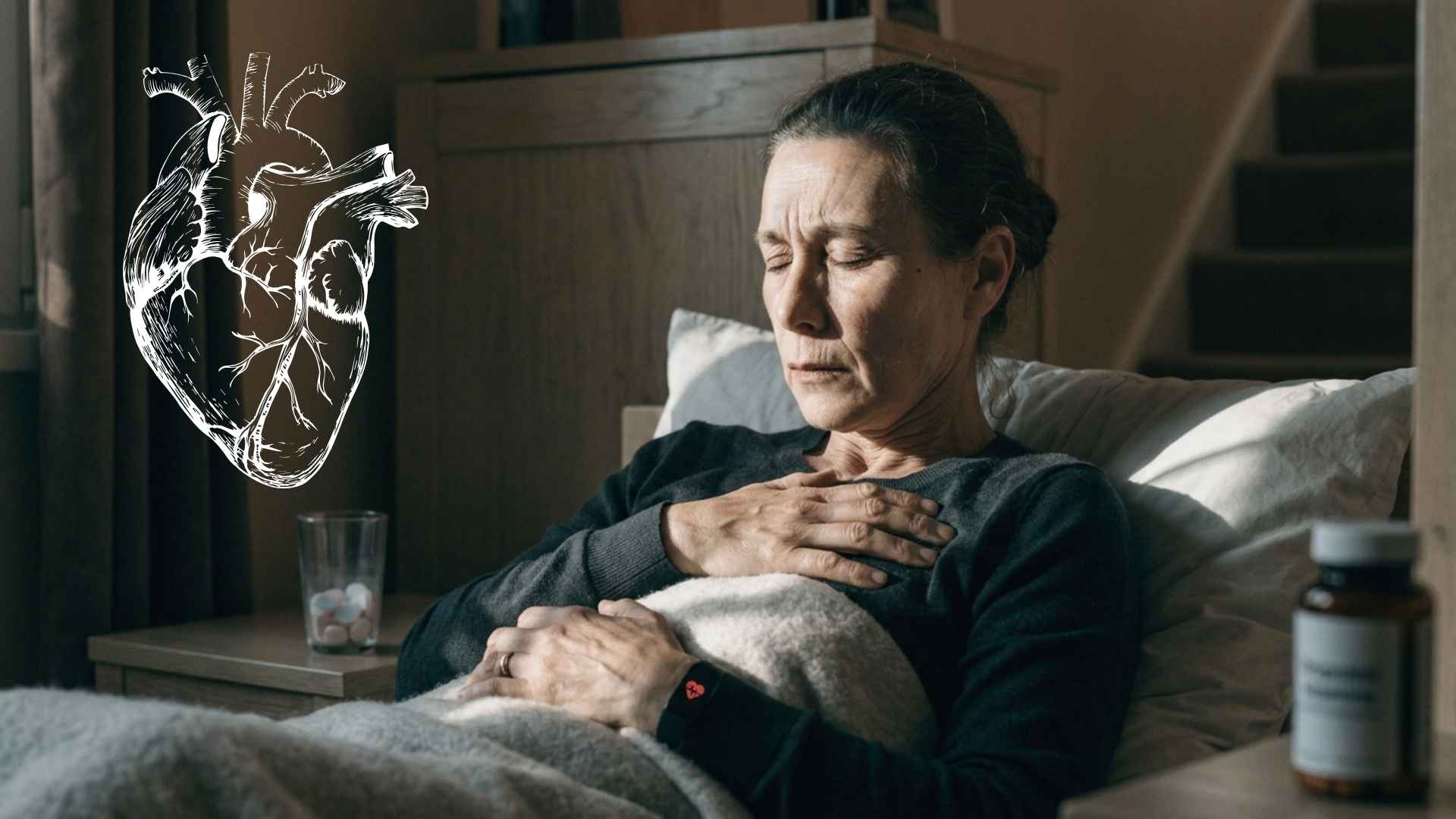
Heart disease rarely announces itself with a single dramatic moment. In most cases, the body sends heart warning signs for months or even years before a serious event occurs. The problem is that these signs are quiet. They feel like ordinary tiredness, stress, or “just getting older,” so they get brushed aside.
This article breaks down the five most commonly overlooked signs of heart problems, explains why they happen, and outlines practical, natural steps people can take to support long-term cardiovascular wellness. Anyone noticing these symptoms regularly should not wait – early awareness is one of the simplest ways to protect heart health.
Why Silent Heart Warning Signs Matter
The heart is a muscle that works nonstop, and it is remarkably good at compensating for small problems before they become big ones. That compensation is exactly why early heart disease early symptoms are so easy to miss. The body adapts, quietly working harder in the background, until the signs become impossible to ignore.
According to the American Heart Association and Centers for Disease Control and Prevention (CDC), heart disease remains the leading cause of death in the United States, and a large share of cases involve risk factors that build up gradually and silently over years. Recognizing the early, subtle signals is one of the most effective ways individuals can take a proactive role in their own cardiovascular health.
Below are the five signs health professionals most often say patients dismissed for too long.
1. Unexplained Fatigue That Doesn’t Improve With Rest
Everyone feels tired occasionally. But fatigue and heart health are closely connected, and a specific kind of tiredness deserves attention: fatigue that does not improve even after a full night’s sleep.
When the heart isn’t pumping blood as efficiently as it should, the body’s muscles and organs receive less oxygen and fewer nutrients. This forces the body to work harder for ordinary tasks, which shows up as constant, unexplained exhaustion.
Common patterns worth noticing:
- Feeling drained after light activities that used to feel easy
- Waking up tired despite adequate sleep
- Needing frequent rest breaks during the day
- A gradual decline in stamina over weeks or months
This type of fatigue is often connected to reduced cellular energy production. At the cellular level, the heart relies heavily on mitochondria – the structures inside cells responsible for producing energy. As natural levels of compounds like Coenzyme Q10 (CoQ10) decline with age, cellular energy output can decrease, which may contribute to the kind of persistent tiredness many people associate with “just getting older.”
2. Shortness of Breath During Everyday Activities
Feeling winded after an intense workout is normal. Feeling winded after climbing a single flight of stairs or carrying groceries to the car is not.
Shortness of breath, medically known as dyspnea, can occur when the heart struggles to pump blood efficiently, causing fluid to build up in or around the lungs. This makes breathing feel more difficult, even during low-effort activities.
Signs that shortness of breath may be heart-related:
| Situation | Possible Concern |
| Breathlessness during mild activity (walking, light chores) | May indicate reduced heart efficiency |
| Difficulty breathing while lying flat | Can suggest fluid buildup near the lungs |
| Sudden breathlessness with chest discomfort | Requires prompt medical evaluation |
| Breathlessness that worsens over weeks | Should be discussed with a doctor |
Because shortness of breath can also stem from asthma, anemia, or simple deconditioning, it’s important not to self-diagnose. However, any new or worsening breathlessness during normal daily activity is one of the heart disease early symptoms that warrants a conversation with a healthcare provider.
3. Swelling in the Ankles, Feet, or Legs
Swollen ankles heart warning signs are among the most physically visible yet most commonly dismissed symptoms. Many people attribute swelling to standing too long, wearing the wrong shoes, or simply “getting older.”
When the heart doesn’t pump blood effectively, blood can back up in the veins, causing fluid to leak into surrounding tissue – most often in the lower legs, ankles, and feet due to gravity. This condition is called peripheral edema.
A simple way to check: Gently press a finger into the swollen area for a few seconds. If an indentation remains after releasing, this is known as “pitting edema” and is worth mentioning to a doctor, especially if it happens regularly or worsens by the end of the day.
Other signs that often accompany swelling:
- Shoes or socks feeling tighter than usual by evening
- Skin that looks stretched or shiny over the swollen area
- Weight gain over a short period without a change in diet
- Swelling that improves overnight but returns during the day
4. Irregular Heartbeat (Palpitations)
A heartbeat that flutters, races, skips, or feels like it’s pounding can be alarming – or it can feel so brief that it’s easy to shrug off. Understanding irregular heartbeat causes helps explain why this symptom shouldn’t be ignored, even when it feels minor.
Irregular heartbeats, known as arrhythmias, occur when the electrical signals that coordinate the heart’s pumping rhythm don’t fire correctly. Some causes are harmless, such as caffeine, stress, or dehydration. Others, like atrial fibrillation, can increase the risk of stroke and other complications if left unaddressed.
Common triggers of occasional palpitations:
- Caffeine or stimulant intake
- Dehydration or electrolyte imbalances
- High stress or anxiety
- Poor sleep quality
- Underlying heart rhythm disorders
A single, brief flutter after a stressful moment is usually not an emergency. However, palpitations that happen frequently, last more than a few seconds, or are paired with dizziness, chest pain, or shortness of breath should always be evaluated by a medical professional.
5. Chest Tightness or Heaviness (Not Always Sharp Pain)
When people imagine heart trouble, they often picture sudden, sharp chest pain. In reality, one of the most overlooked chest tightness warning sign patterns is much subtler – a dull heaviness, pressure, or tightness that comes and goes, especially during physical or emotional stress.
This sensation is sometimes mistaken for indigestion, muscle strain, or anxiety, which is exactly why it gets ignored so often. The discomfort may:
- Last only a few minutes and then fade
- Feel like pressure rather than sharp pain
- Spread to the arm, jaw, neck, or back
- Appear during exertion and ease with rest
Important: Any chest discomfort – especially if it’s new, unexplained, or paired with shortness of breath, sweating, or nausea – should be treated as a medical priority. When in doubt, it is always safer to seek immediate medical attention.
Heart Health Tips: Supporting Cardiovascular Wellness Naturally
Recognizing warning signs is only half the picture. Building daily habits that support the heart is just as important. Here are practical heart health tips backed by general cardiovascular health guidance:
- Stay physically active. Aim for at least 150 minutes of moderate activity per week, such as brisk walking.
- Eat a heart-supportive diet. Focus on vegetables, fruits, whole grains, lean protein, and healthy fats while limiting processed foods and added sugar.
- Manage stress. Chronic stress contributes to elevated blood pressure and irregular heart rhythms over time.
- Prioritize sleep. Poor sleep is linked to a higher risk of high blood pressure and heart strain.
- Stay hydrated. Dehydration can contribute to palpitations and fatigue.
- Limit alcohol and avoid smoking. Both are well-established contributors to cardiovascular risk.
- Schedule regular checkups. Blood pressure, cholesterol, and blood sugar should be monitored consistently, especially after age 40.
The Role of Natural Heart Support
Alongside lifestyle habits, many people look for natural heart support to complement their daily routine. One area of growing interest is cellular energy support through ingredients like CoQ10, PQQ, and Shilajit.
CoQ10 for heart health has been studied for its role in supporting mitochondrial energy production, particularly in heart cells, which require significant energy to function properly. As natural CoQ10 levels tend to decline with age, some people explore supplementation to help support their existing levels.
This is where a product like Cardio Clear 7 fits into the conversation. Cardio Clear 7 is a dietary supplement combining CoQ10, PQQ, and Shilajit, formulated to support cellular energy production, circulation, and overall cardiovascular wellness as part of a healthy lifestyle. It is not a treatment or cure for heart disease, but it reflects the broader interest in natural ingredients that support the body’s existing cardiovascular processes.
A quick look at what’s inside Cardio Clear 7:
| Ingredient | Commonly Associated Role |
| CoQ10 | Supports cellular energy production, particularly in heart cells |
| PQQ | May support mitochondrial function and efficiency |
| Shilajit | May enhance absorption and effectiveness of CoQ10 |
People researching Cardio Clear 7 reviews will typically find that users report improvements in daily energy levels and general vitality when the supplement is combined with consistent healthy habits. As with any supplement, individual results vary, and it should be used alongside – not instead of – medical guidance and a heart-healthy lifestyle.
When to See a Doctor
While lifestyle habits and supplements can support general wellness, they are not a substitute for professional medical care. It’s important to consult a doctor promptly if any of the following occur:
- Chest pain or pressure that is new, severe, or lasts more than a few minutes
- Shortness of breath that comes on suddenly or worsens quickly
- Fainting or severe dizziness
- Rapid or irregular heartbeat accompanied by other symptoms
- Sudden, significant swelling in the legs or abdomen
Anyone experiencing these symptoms, especially in combination, should seek emergency medical attention rather than waiting to see if they improve.
Frequently Asked Questions
1. What are the most common silent heart warning signs? The most frequently overlooked signs include persistent fatigue, shortness of breath during light activity, swelling in the ankles or feet, irregular heartbeat, and chest tightness or heaviness that isn’t sharp pain.
2. Can fatigue really be a sign of heart problems? Yes. When the heart doesn’t pump blood as efficiently as it should, muscles and organs receive less oxygen, which can cause persistent tiredness that doesn’t improve with rest.
3. Is swelling in the ankles always related to heart health? Not always. Swelling can result from standing too long, certain medications, or other conditions. However, regular or worsening swelling, especially with pitting when pressed, should be evaluated by a doctor.
4. What causes an irregular heartbeat? Common causes include caffeine, dehydration, stress, poor sleep, and underlying heart rhythm disorders such as atrial fibrillation. Frequent or prolonged episodes should be checked by a healthcare provider.
5. How is chest tightness different from a heart attack? Chest tightness can have many causes, including anxiety, muscle strain, or indigestion. However, because it can also indicate a cardiac issue, any new or unexplained chest discomfort should be treated seriously and evaluated by a medical professional.
6. Can supplements like Cardio Clear 7 help with heart health? Cardio Clear 7 is formulated with CoQ10, PQQ, and Shilajit to support cellular energy and cardiovascular wellness. It is intended as a complement to a healthy lifestyle, not a replacement for medical treatment or professional advice.
7. At what age should heart health monitoring begin? Most health guidelines recommend routine blood pressure and cholesterol checks starting in your 20s, with more frequent monitoring after age 40, or earlier if there is a family history of heart disease.
Read our latest article: Why Adults Are Looking for Natural Heart Support Supplements
Health Disclaimer: This article is for informational purposes only and is not intended as medical advice, diagnosis, or treatment. The symptoms discussed can have many possible causes unrelated to heart disease. Anyone experiencing chest pain, severe shortness of breath, or other concerning symptoms should seek immediate medical attention. Statements regarding dietary supplements, including Cardio Clear 7, have not been evaluated by the FDA and are not intended to diagnose, treat, cure, or prevent any disease. Consult a qualified healthcare professional before starting any new supplement, especially if taking medication or managing an existing health condition.