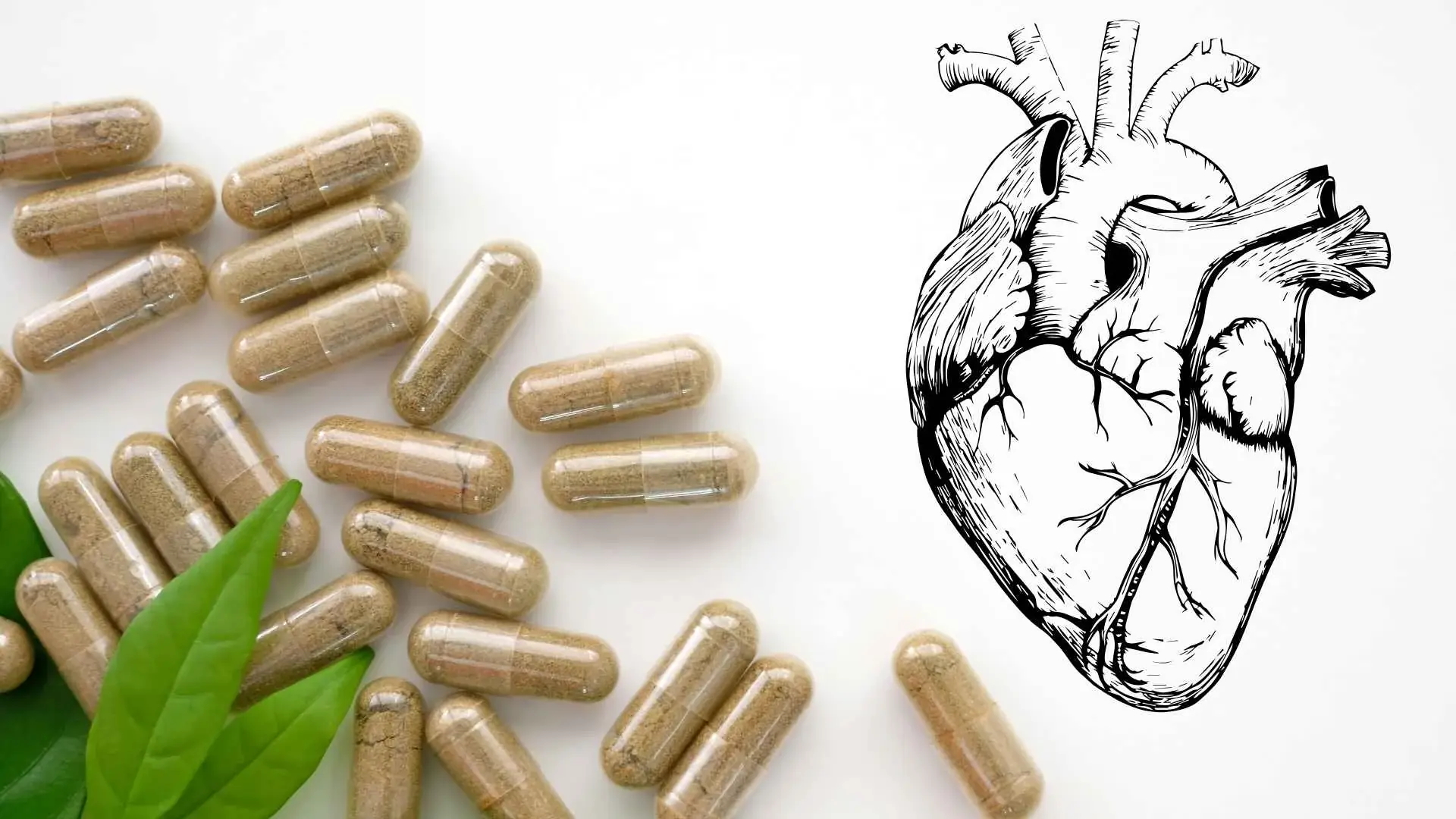
Heart disease remains the leading cause of death worldwide, claiming more than 17 million lives each year according to the World Health Organization. Yet despite advances in modern medicine, a growing number of adults are now looking beyond prescription drugs and turning toward natural heart support supplements as part of a broader strategy to protect their cardiovascular health.
This is not a fringe movement. Sales of heart-health supplements have surged significantly over the last five years, with the global cardiovascular supplement market projected to exceed $12 billion by 2027. So what is driving this shift — and more importantly, what do adults need to know before choosing a natural heart supplement?
This article breaks down the reasons behind the trend, explores the most researched ingredients, and explains what experts say about using supplements to reduce heart attack risk naturally and safely.
Why Adults Are Turning to Natural Alternatives
Several interconnected factors are pushing more people toward natural heart health strategies:
1. Rising Awareness of Heart Disease Risk
More adults today are being diagnosed with high blood pressure, high cholesterol, and metabolic syndrome at younger ages. This early awareness is prompting many people to take proactive steps – often before a doctor prescribes medication. Many individuals prefer to explore lifestyle changes and natural heart support supplements first, especially when their risk is moderate rather than critical.
2. Concerns About Prescription Drug Side Effects
Statins, beta-blockers, and ACE inhibitors are effective medications, but they come with potential side effects including muscle pain, fatigue, digestive issues, and in some cases, liver stress. Research published in journals like the American Journal of Cardiology shows that many patients either stop taking statins or look for complementary support due to statin intolerance. This gap in patient comfort has fueled demand for gentler, plant-based options.
3. Increased Access to Health Information
Today’s adults are more health-literate than any previous generation. They research ingredients, read clinical studies, and consult multiple sources before making health decisions. Platforms like PubMed, WebMD, and wellness podcasts have made once-obscure ingredients like CoQ10, berberine, and omega-3 fatty acids household names. This informed consumer base is actively seeking out natural heart supplements backed by real science.
4. A Growing Preference for Holistic Health
There is a broader cultural movement toward whole-body wellness – one that values food-as-medicine, preventive care, and reducing pharmaceutical dependency where possible. Heart health fits naturally into this philosophy. Many adults are pairing supplements with improved diets, regular movement, stress management, and better sleep as part of a complete cardiovascular care strategy.
What the Science Says: Key Ingredients in Natural Heart Support Supplements
Not all supplements are created equal. The best natural heart support supplements contain ingredients with meaningful clinical evidence behind them. Below is a breakdown of the most researched compounds:
Top Evidence-Based Ingredients for Heart Health
| Ingredient | Key Benefit | Level of Evidence |
| Omega-3 Fatty Acids (EPA/DHA) | Lowers triglycerides, reduces inflammation | Strong – multiple large RCTs |
| Coenzyme Q10 (CoQ10) | Supports mitochondrial energy in heart cells | Moderate – well-documented in heart failure |
| Berberine | Lowers LDL cholesterol and blood sugar | Moderate – comparable to some statins in trials |
| Magnesium | Regulates blood pressure and heart rhythm | Strong – widely deficient in adults |
| Hawthorn Berry Extract | Improves coronary blood flow | Moderate – used in integrative cardiology |
| Nattokinase | Supports healthy blood clotting and circulation | Emerging – positive early-stage studies |
| Red Yeast Rice | Naturally contains monacolin K (statin-like compound) | Moderate – requires medical supervision |
| L-Arginine | Supports nitric oxide production and blood vessel dilation | Moderate – mixed but promising results |
Omega-3 Fatty Acids
Omega-3s from fish oil or algae-based sources are arguably the most studied natural heart supplement ingredients on the market. Multiple large-scale clinical trials, including the landmark REDUCE-IT trial, have shown that high-dose prescription omega-3s significantly reduce heart attack risk in high-risk individuals. Even at supplemental doses, omega-3s help lower triglyceride levels, reduce inflammation in arterial walls, and support overall vascular flexibility.
CoQ10 (Coenzyme Q10)
The heart is one of the most energy-demanding organs in the body, and CoQ10 plays a central role in cellular energy production. Levels of CoQ10 naturally decline with age and are further depleted by statin medications. Multiple studies suggest CoQ10 supplementation can reduce blood pressure, support heart function in people with heart failure, and improve exercise tolerance.
Berberine
Extracted from plants like barberry and goldenseal, berberine has received considerable attention for its ability to lower LDL cholesterol and fasting blood sugar – two major contributors to cardiovascular disease. A meta-analysis published in Phytomedicine found berberine reduced total cholesterol, LDL, and triglycerides while raising HDL in multiple controlled studies.
Magnesium
An estimated 50–60% of adults in developed nations do not meet their daily magnesium requirements. This is significant because magnesium is essential for maintaining normal heart rhythm, relaxing blood vessels, and regulating blood pressure. Low magnesium is associated with a higher risk of arrhythmia, hypertension, and coronary artery disease.
How Natural Heart Supplements Work Alongside Conventional Care
It is critical to understand that natural heart support supplements are not replacements for proven medical treatments in people who already have diagnosed heart disease. However, they can play a valuable complementary role in several scenarios:
- Prevention: For adults with borderline risk factors who are not yet on medication, supplements like omega-3s, magnesium, and CoQ10 can support healthy cardiovascular function while lifestyle changes are made.
- Adjunct therapy: Many cardiologists now support the use of CoQ10 alongside statins to offset potential statin-related muscle side effects.
- Gap filling: For adults with nutrient gaps (common in aging populations), targeted supplements can restore levels that directly impact heart function.
- Metabolic support: Ingredients like berberine and chromium help manage blood sugar and lipid levels, which indirectly protects the heart.
Expert Note: The American Heart Association recommends omega-3s from dietary or supplement sources as part of a heart-healthy lifestyle, particularly for individuals with elevated triglycerides. Always consult a qualified healthcare provider before starting any supplement regimen, especially when taking blood-thinning medications.
Who Is Most Likely to Benefit?
While everyone can benefit from heart-healthy habits, certain groups are most likely to see meaningful results from targeted natural heart supplements:
- Adults over 40 experiencing early signs of cardiovascular stress (mild hypertension, elevated cholesterol)
- People with a family history of heart disease who want proactive protection
- Statin users experiencing muscle discomfort who want to support mitochondrial health with CoQ10
- Individuals with metabolic syndrome managing blood sugar, weight, and blood pressure simultaneously
- Vegans and vegetarians who may be deficient in omega-3 DHA/EPA, typically found in marine sources
- Adults with high-stress lifestyles where chronic stress contributes to cardiovascular inflammation
What to Look for When Choosing a Natural Heart Supplement
The supplement industry is largely self-regulated, which means quality varies enormously between brands. Here is what to prioritize when selecting a product:
Quality Checklist
- Third-party tested: Look for certifications from NSF International, USP, or ConsumerLab
- Clinically dosed ingredients: Verify that the ingredient amounts match those used in actual studies
- Bioavailable forms: For example, magnesium glycinate absorbs better than magnesium oxide; triglyceride-form omega-3s outperform ethyl ester forms
- Transparent labeling: Avoid proprietary blends that hide individual ingredient amounts
- No unnecessary fillers: Artificial colors, titanium dioxide, and certain binders have no place in a heart supplement
- Manufactured in cGMP-certified facilities: This ensures quality control in production
Common Myths About Natural Heart Support Supplements
Myth 1: “Natural means safe for everyone.” Natural ingredients can still interact with medications. Blood thinners like warfarin can interact with omega-3s, nattokinase, and vitamin E. Always disclose supplement use to a healthcare provider.
Myth 2: “Supplements can replace heart medication.” For individuals with diagnosed cardiovascular disease, established medications are non-negotiable life-saving tools. Supplements work best as preventive or complementary strategies – not as replacements.
Myth 3: “More is always better.” Exceeding recommended doses of fat-soluble vitamins (like vitamin E or K) or potent compounds like red yeast rice can cause harm. Dosage matters as much as ingredient selection.
Myth 4: “Results are instant.” Most heart supplements require consistent use over 8–12 weeks before measurable improvements in cholesterol, blood pressure, or inflammation markers are observed.
The Role of Diet, Lifestyle, and Supplements Together
No supplement, however well-formulated, works in isolation. The most effective approach to cardiovascular health combines:
- A heart-friendly diet (Mediterranean or DASH-style eating patterns)
- Regular aerobic exercise (at least 150 minutes of moderate activity per week)
- Stress management (meditation, breathwork, social connection)
- Quality sleep (7–9 hours per night reduces inflammatory markers significantly)
- Targeted supplementation to address specific deficiencies or risk factors
- Regular health screenings (lipid panels, blood pressure, HbA1c)
When used within this framework, natural heart support supplements can meaningfully contribute to reducing cardiovascular risk over time.
Frequently Asked Questions (FAQ)
Q1: Are natural heart support supplements safe to take every day?
Most evidence-based heart supplements – such as omega-3s, magnesium, and CoQ10 – are considered safe for daily long-term use at recommended doses. However, anyone with a diagnosed heart condition or who is taking prescription medications should consult a cardiologist or pharmacist before starting any supplement.
Q2: Can natural heart supplements really reduce heart attack risk?
Certain ingredients, particularly high-dose omega-3s, have demonstrated the ability to reduce cardiovascular events in clinical trials. While supplements alone cannot eliminate risk, they can meaningfully lower key risk factors like triglycerides, blood pressure, and inflammation when combined with healthy lifestyle habits.
Q3: How long does it take to see results from a natural heart supplement?
Most research shows measurable changes in cholesterol, blood pressure, or inflammatory markers after 8–12 weeks of consistent use. Some effects, like blood pressure reduction from magnesium, may occur sooner.
Q4: Is CoQ10 worth taking if someone is on a statin?
Yes, according to several clinical studies. Statins reduce the body’s natural CoQ10 production. Supplement with CoQ10 (typically 100–200 mg daily) may help offset statin-related muscle discomfort and support energy production in heart cells.
Q5: Are there natural heart supplements specifically for women?
Women and men share most of the same cardiovascular risk factors, so core supplements like omega-3s and magnesium apply broadly. However, hormonal changes during menopause can increase cardiovascular risk, making magnesium, vitamin D, and CoQ10 particularly relevant for women over 50.
Q6: Can younger adults benefit from heart health supplements?
Yes. Heart disease develops over decades, and preventive measures in one’s 30s and 40s can have significant long-term benefits. Adults with risk factors like family history, high stress, poor diet, or sedentary lifestyles may benefit from early supplementation.
Q7: What is the difference between a natural heart supplement and a prescription heart medication?
Prescription heart medications are FDA-approved drugs tested through rigorous clinical trials for specific diagnosed conditions. Natural heart supplements are dietary products intended to support general cardiovascular wellness. They are regulated differently and cannot make claims to treat or cure disease. However, many contain clinically researched ingredients with meaningful health benefits.
Final Thoughts
The surge in interest around natural heart support supplements reflects something deeper than a wellness trend – it reflects a generation of adults who are better informed, more proactive, and increasingly interested in reducing their cardiovascular risk through multiple avenues.
When chosen wisely, dosed correctly, and used alongside proven lifestyle habits, natural heart supplements can serve as a meaningful piece of a comprehensive cardiovascular care plan. The key is approaching them with the same rigor applied to any health decision: look for science-backed ingredients, quality manufacturing standards, and professional guidance.
Heart health is not a destination – it is a lifelong practice. And for millions of adults, natural heart support supplements are becoming a trusted companion on that journey.
Also read: How Do I Build a Natural Heart Health Plan?
Disclaimer: This article is intended for educational purposes only and does not constitute medical advice. Always consult a licensed healthcare professional before starting any new supplement, especially if you have a pre-existing health condition or are taking prescription medications.