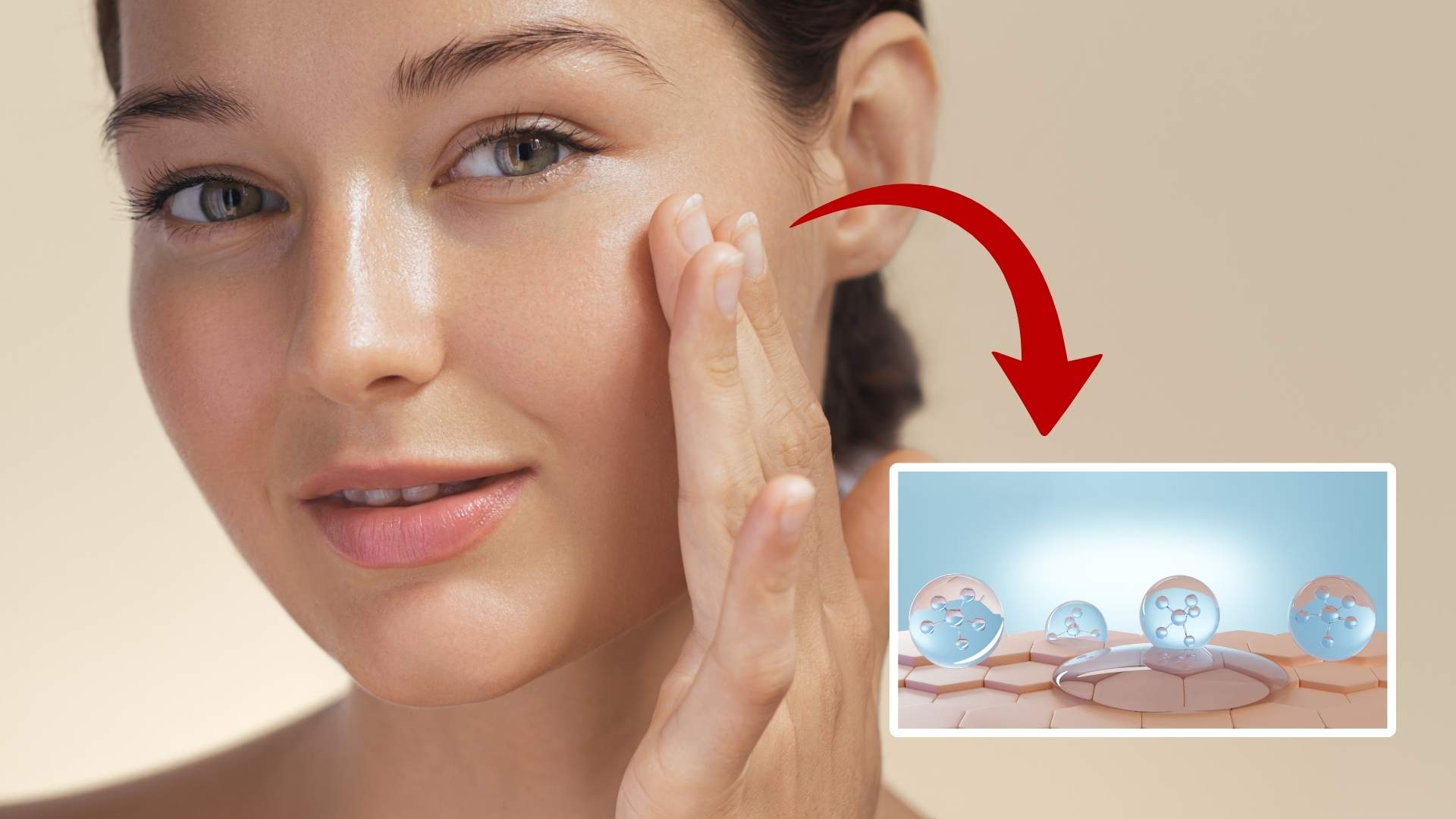
A hydrating face serum is one of the best tools you can use to get the glowing skin you want. It’s a lightweight, concentrated formula that packs a punch by delivering intense moisture that plumps up the surface of your skin, gives it a more even texture, and helps to build a stronger barrier against dryness and dehydration. Unlike creme-style moisturisers that just sit on top, a good hydrating serum penetrates nicely and works with your skin to tackle dullness and fine lines.
Search interest in hydrating face serum, moisturising face serum, and hyaluronic acid serum is going up because people are after visible results without having to get all caught up in complicated routines. People are basically looking to understand what these products can do for them, which ingredients are the most important, how to apply them right, and where they fit into their daily skincare routine for their individual skin type. This guide will answer those questions with some practical, science-backed information that is all about keeping things safe, consistent, and achievable.
What’s a Hydrating Face Serum?
A hydrating face serum is a light, easy-to-absorb water-based or gel formula that’s designed to get a high concentration of moisture-attracting ingredients right to your skin. It differs from a moisturiser in terms of texture and what it actually does for your skin. Serums use tiny molecular structures that let them absorb faster, while moisturisers tend to combine humectants with emollients and occlusives to seal in moisture.
The most common active ingredient in modern hydrating serums is hyaluronic acid (often listed as sodium hyaluronate). This sugar molecule, which occurs naturally in your skin, joints, and connective tissue, is what makes your skin feel soft and supple and look nice – it’s there to help your skin look and feel healthy. As we age, our bodies naturally start to produce less of it, which can lead to dryness and a loss of bounce. Applying it topically can help to top up your natural levels.
Other frequent ingredients include glycerin, panthenol (vitamin B5), ceramides, and sometimes polyglutamic acid. These all work together to draw in water, calm your skin, and reinforce the barrier. And the end result is a product that feels nice and light but still manages to deliver some really noticeable – and longer-lasting- hydration that lots of people say is more effective than a moisturiser on its own.
Hydrating serum, face hydration serum, and deep hydration serum can all refer to variations on the same idea. The best ones pick and choose the right ingredients and avoid using any heavy oils or waxes that can feel greasy on your skin, instead opting for a clean, non-comedogenic delivery system that is suitable for most skin types, including oily and combination skin.
Key Benefits of Using a Hydrating Face Serum
Using a high-quality hydrating face serum can give you some pretty amazing results – as long as you use it regularly. You can expect to see:
- Instant and lasting hydration. When you apply it, you can almost see the difference right away – and that’s not just a one-off; the hydration keeps on coming for weeks if you stick with it.
- Skin that looks plumper and softer. By getting moisture into the top layers of skin, it reduces the appearance of those fine lines that come from dehydration and leaves your skin feeling super smooth.
- Better barrier function. Many of these serums have ceramides or lipids that help keep moisture in and prevent it from escaping – which is a big deal for people with dry skin.
- A smoother layering experience. When your skin is well-hydrated, other products and moisturizers work way better, too.
- It works on all skin types. Whether you have dry, normal, combination or oily skin, there’s a lightweight option out there that won’t clog your pores.
This all makes sense when you think about how dermatologists describe the role of humectants. Hyaluronic acid doesn’t actually create water, it just binds to what’s already there. So using it the right way is key to getting the most out of it.
Understanding Hyaluronic Acid: The Secret Sauce
Hyaluronic acid-based serums are the gold standard when it comes to hydrating face serums – and for good reason. It’s powerful because it can hold onto so much more water than most other ingredients. The way this works changes based on the size of the molecule:
- Large molecules stay near the surface and create a hydrating layer.
- Smaller molecules can penetrate deeper into the skin.
- Some blends have different-sized molecules to tackle different levels of hydration at once.
Research shows that you need around 0.5% to 2% of hyaluronic acid in a product to get the best results. Any more than that and it’s unlikely to make a difference – and can even feel sticky.
Some common co-stars to hyaluronic acid in these products include:
- Glycerin – another humectant that works really well when combined with hyaluronic acid.
- Panthenol (vitamin B5) – this one helps soothe and repair your skin’s barrier.
- Ceramides – these help repair the lipid barrier that keeps moisture locked in.
- Polyglutamic acid – a larger humectant that can sometimes hold even more water than hyaluronic acid.
Choosing the Right Hydrating Face Serum
When you’re on the hunt for a good product, there are a few practical things to look for rather than just believing the marketing hype.
Look for these things:
- If hyaluronic acid or sodium hyaluronate isn’t near the top of the ingredient list (after water), keep looking.
- If the product uses multiple molecular weights of hyaluronic acid, that’s a bonus.
- If it has ceramides, panthenol, or other barrier-supporting ingredients, it’s a good sign.
- Look for products that are fragrance-free or low-fragrance if you have sensitive skin.
- If you get acne, look for the non-comedogenic label.
- Make sure the packaging is airtight and keeps out light – it makes a big difference.
| Skin Type | Preferred Texture | Additional Ingredients to Seek | Notes |
| Dry | Slightly richer gel or serum with ceramides | Ceramides, glycerin, panthenol | Seal well with richer moisturizer |
| Oily/Combination | Lightweight, watery serum | Minimal oils, niacinamide if desired | Avoid heavy occlusives during day |
| Sensitive | Simple, fragrance-free | Panthenol, ceramides | Patch test first |
| Mature | Multi-weight HA + peptides | Antioxidants if compatible | Focus on consistency |
Consider skin type: Price does not = performance; many a mid-range and drugstore face serum turns out to deliver solid hydration – provided you use it right, of course. But let’s get real: proper technique and keeping up with a consistent routine are what really matter.
Mastering the Art of Hydrating Face Serum Use
Ultimately, it’s technique, not high-end packaging, that makes the difference. To get the most out of your serum, follow these steps:
- Give your face a gentle wash with a non-stripping cleanser first thing.
- Wipe your skin lightly with a towel – don’t scrub it really dry.
- Pop 2-3 drops of the serum onto your palm or fingertips.
- Press the serum into your skin with an upward motion, taking care not to rub too hard.
- Every morning, finish up with a broad-spectrum sunscreen.
Morning routine for dummies :
Wash face -> hydrating face serum on damp skin -> moisturizer ->sunscreen
Evening routine :
Wash face -> hydrating face serum -> any treatments you’re using -> moisturizer
For best results, apply morning and night.
Stupid mistakes that make your face serum less effective
Too many people get disappointed with the results simply because they’re doing it all wrong
- Don’t apply serum to bone-dry skin – any moisture that gets drawn in will just evaporate. Low humidity and youll end up with a surface that looks worse for wear
- Don’t skip the moisturizer– or you’ll just lose all that lovely moisture in the first 10 minutes
- Using too much of a good thing – excess serum is just sticky and does nothing extra for you
Getting Your Hydration Routine Just Right
A hydrating face serum will only reach its full potential if you put it into a routine that’s simple and easy to stick to. The key to this is breaking it down into 3 basic actions: help your skin hold onto water (with humectants), smooth out and support the skin’s surface (with emollients), and keep all that moisture locked in (with occlusives).
Developing some basic good habits:
- When you wash your face, choose a cleanser that doesn’t strip your skin of its natural oils – one that leaves it feeling comfortable, you know.
- If where you live is a dry place, especially during the winter or in air-conditioned rooms, you can really help your skin out with a humidifier.
- And don’t forget to drink plenty of water throughout the day – this will help a lot with your overall hydration. But keep in mind that your topical skincare is still the main thing when it comes to keeping your skin looking its best.
- Make sunscreen part of your daily routine, since the sun just saps the moisture right out of your skin – and that’s just a recipe for trouble.
- Be gentle with your skin – don’t overdo the exfoliating, or you might end up stripping your skin of the very thing it needs to stay healthy and hydrated.
If your skin is really dry, one thing that can really make a difference at night is layering a hydrating serum under a richer moisturizer. And if you’ve got oily skin, you might find that a gel-based moisturizer is just what you need – it locks in moisture without leaving you feeling greasy.
Who really benefits from a hydrating serum?
To be honest, almost anyone can benefit from making a hydrating serum a regular part of their skincare routine. But there are definitely some people who will see a bigger difference:
- If you live in a really dry or cold place.
- If you’re using active ingredients that can be a bit harsh, like retinoids or acids, to tackle specific skin concerns.
- If you’re noticing that your skin is starting to get a bit dehydrated and lacklustre.
- If you’re just looking for a lightweight alternative to your usual moisturizer.
- Or if you’ve got mature skin that’s starting to lose some of its natural moisture.
If you’ve got sensitive skin, you’ll probably find that pure hyaluronic acid is pretty easy to tolerate – but it’s still a good idea to patch test any new product just to be on the safe side. And if you’re pregnant or breastfeeding, you can generally use hyaluronic acid safely – it’s a big molecule that doesn’t get absorbed into your bloodstream, but it’s still a good idea to talk to a healthcare provider just to be sure.
Skin Hydration from a Scientific Viewpoint
The outer layer of skin, known as the stratum corneum, does its best when it’s retaining enough moisture. When it starts to dry out, the skin tightens, loses its glow, and those pesky fine lines become a lot more noticeable. Humectants like hyaluronic acid are pretty good at holding onto water in this layer. Using formulations that combine different weights of product along with other ingredients helps keep that moisture around for longer than it would on its own.
The studies that use machines like corneometers to measure skin hydration show that using hyaluronic acid in a serum really does give you a boost. The skin looks smoother, plumper, and the fine lines don’t seem as bad, at least in the short term and even after a few weeks. However, these effects are temporary & will go away unless you keep using it, which is why sticking to your routine is way more important than searching for a single magic product.
One thing to bear in mind is that hyaluronic acid mainly works in the outer layer of skin, and it won’t replace the need for a healthy lifestyle, proper sun protection & professional help if you’re dealing with deeper skin issues.
Putting Hydrating Serum Together with Other Ingredients
Hyaluronic acid tends to get along pretty well with most other skincare ingredients:
- So put it on after vitamin C in the morning to give your skin some antioxidant support & some extra hydration.
- Use it either before or after niacinamide to get the benefits of a stronger barrier and improved tone.
- Use it with retinoids at night to cancel out the dryness that can come with them.
- Even use it under peptide products to give your skin a bit of extra help.
When you’re combining different serums, you want to put the thinnest, most watery one on first, then let it sink in a bit before adding the next one. If the products tend to pill on each other just wait a bit between layers. Putting the hydrating serum on first is often a good idea because it helps your skin soak up the other products better.
Realistic Expectations and Your Timeline
You’ll probably notice your skin feels softer and looks dewier in the first few applications if you use it right. But it can take a bit longer – between one to four weeks – to see real improvement in the texture and reduction in tightness if you use it twice a day. After that, your skin will kind of plateau – but keep using it and it’ll keep your skin in the state you want it to be in.
Frequently Asked Questions
Can I just use a hydrating face serum instead of a moisturiser?
No – serums are great at bringing in moisture, but they just can’t lock it in on their own, so you need to follow up with a moisturiser that suits your skin type.
Is hyaluronic acid serum safe for people with oily or acne-prone skin?
Actually, yes, it is, – as long as the formula is non-comedogenic and nice and light. Some people find that keeping their skin hydrated actually helps to reduce the amount of oil it produces, which is driven by dehydration.
How much serum should I use each time?
You don’t need a lot – 2 or 3 drops should cover your face and neck, and any more than that just won’t give you better results and might leave a residue.
Can I use it with retinol?
Absolutely – and lots of dermatologists recommend using it to help counteract the dryness that some people get from using retinoids. Just layer it on according to how the products work and your skin can handle.
Does it still work in dry climates?
It’ll do its job best if you apply it to damp skin and follow up right away with a moisturiser. If you’re in a really arid place, you might want to think about using a richer, more occlusive moisturiser.
How long does a bottle last?
It depends on how much you use, but if you’re using it twice a day, a 30ml bottle will probably last you anywhere from a month to three months.
Do I need to keep it in the fridge?
Most formulas are okay at room temperature, but if you want that cooling sensation, go for it – but only if the packaging allows it.
The Last Word on Getting That Healthy, Soft Skin Glow
The key to success isn’t necessarily reaching for the fancy, über-expensive bottle. Its more about developing a consistent routine, learning to seal it all in properly, and having realistic expectations. Pair a good serum with a gentle cleanser, daily sunscreen, and a moisturizer that really works for you. And over time? You’re looking at better barrier function, smoother texture, and that soft, hydrated look people are always going after.
Read our skincare article: How to Restore Skin’s Moisture Factor Naturally
Health Disclaimer: The information provided in this article is for educational and informational purposes only and is not a substitute for professional medical advice, diagnosis, or treatment. Always seek the advice of your healthcare provider with any questions you may have regarding a medical condition.